A plumbing system in a building or facility consists of various components that work together to supply fresh water, remove wastewater, and provide for essential functions like heating and cooling. Here are the essential components of a plumbing system:
Water Supply System:
The water supply system brings clean, potable water into the building. Key components include:
-
Water Main:
The main water line that connects the building to the municipal water supply or a well.
-
Water Meter:
Measures water usage for billing purposes.
-
Shut-Off Valve:
Allows for the isolation of water supply in case of emergencies or maintenance.
Water Distribution System:
This system distributes water to various fixtures and appliances within the building. Components include:
Water pipes (e.g., copper, PEX, PVC) that carry water to different areas.
-
Fittings:
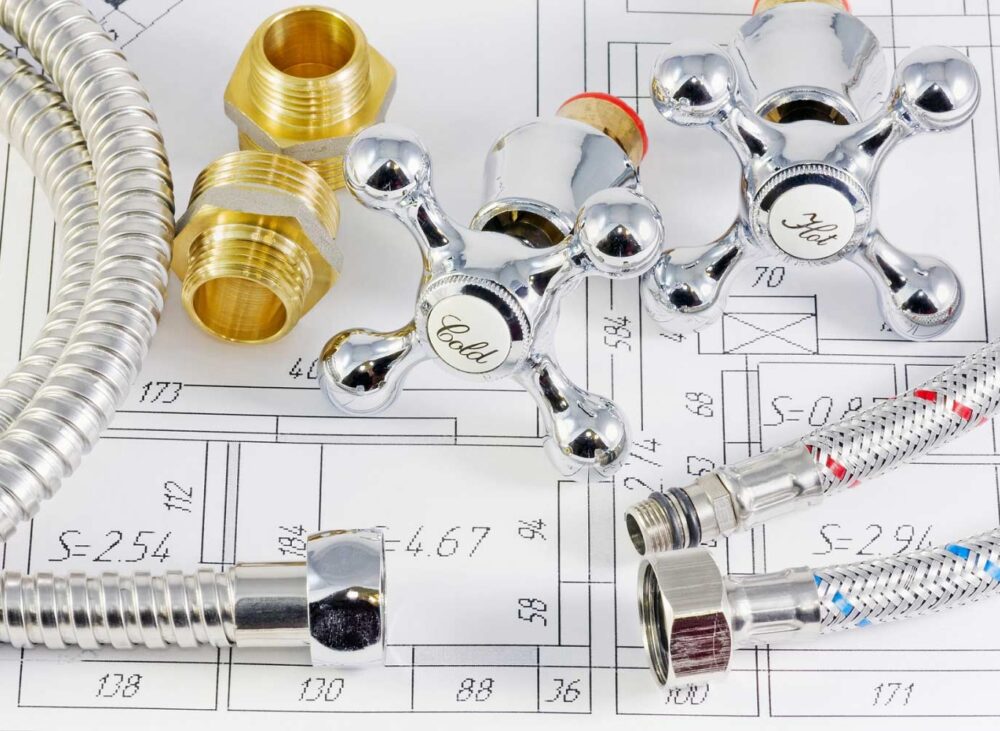
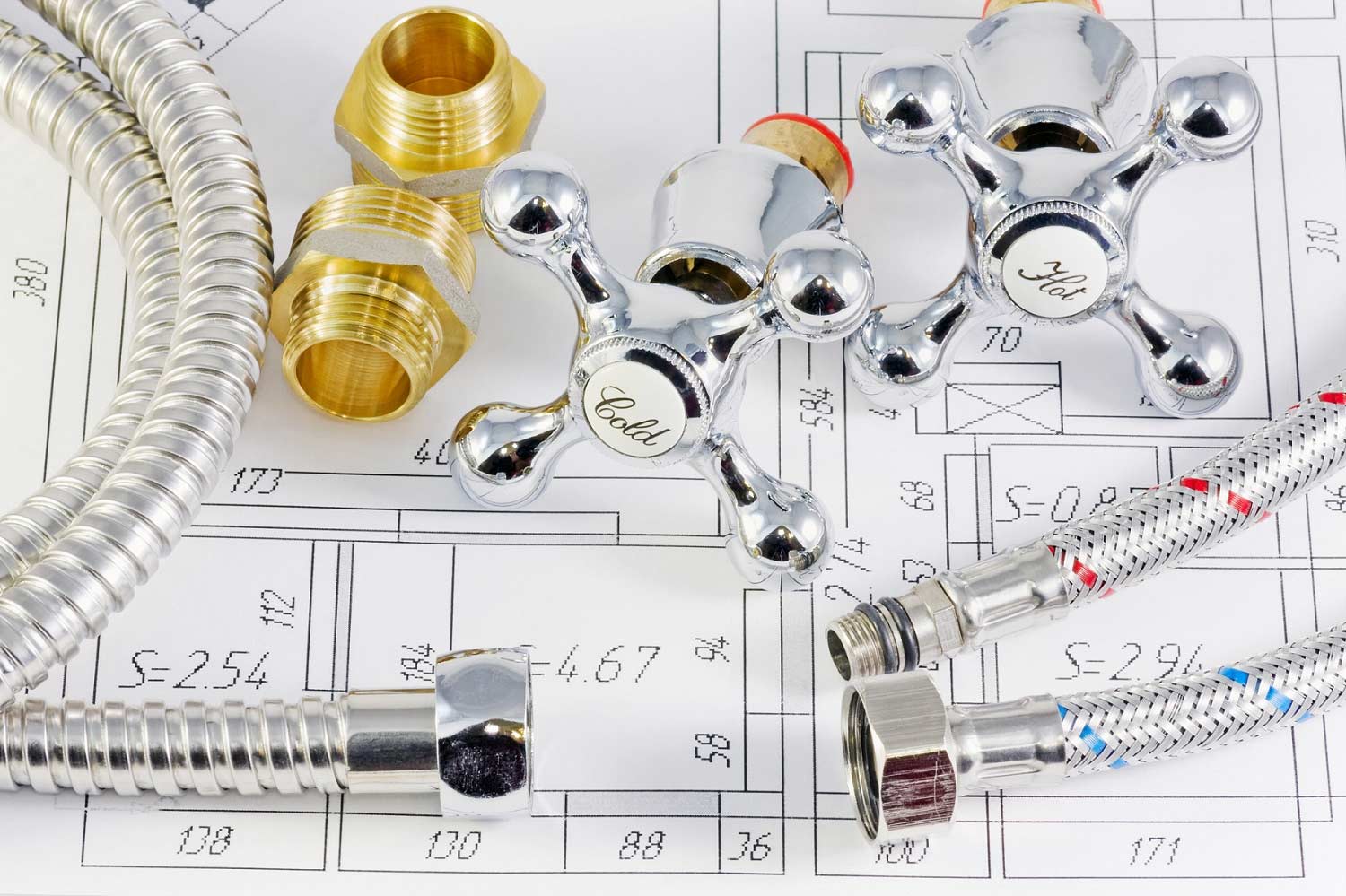
Connectors, elbows, tees, and couplings used to join pipes.
-
Valves:
Control water flow to specific areas or fixtures (e.g., isolation valves, ball valves).
-
Pressure Regulators:
Maintain stable water pressure.
-
Backflow Preventers:
Prevent contaminated water from flowing back into the public water supply.
Plumbing Fixtures and Appliances:
Plumbing fixtures and appliances are connected to the water distribution system and serve various functions, including:
-
Sinks:
In kitchens, bathrooms, and utility areas.
-
Toilets:
For waste disposal.
-
Bathtubs and Showers:
For bathing.
-
Faucets:
Provide hot and cold water for hand washing and cleaning.
-
Dishwashers and Washing Machines:
Appliances that require water supply.
-
Water Heaters:
Heat water for domestic use]
Drainage and Waste System:
The drainage system carries wastewater away from fixtures and appliances to the sewer or septic system. Components include:
-
Drain Pipes:
Collect and transport wastewater.
-
Vent Pipes:
Allow air into the plumbing system to prevent traps from siphoning.
-
Traps:
U-shaped sections of pipes that hold water to prevent sewer gas from entering the building.
-
Sewer Lines:
Connect the building to the municipal sewer or septic tank.
Ventilation System:
Ventilation pipes and systems ensure proper venting of sewer gases and allow for efficient drainage. Ventilation components include:
-
Vent Pipes:
Connected to drainpipes and extend through the roof.
-
Vent Stacks:
Larger pipes that extend vertically through the building.
-
Vent Termination:
The part of the vent pipe that exits the roof.
Sump Pump (Optional):
In areas prone to flooding or where the water table is high, a sump pump may be installed to remove excess water from basements or crawl spaces.
Water Treatment and Filtration (Optional):
Water treatment and filtration systems can be installed to improve water quality by removing impurities, contaminants, or hardness minerals.
Heating and Cooling Systems:
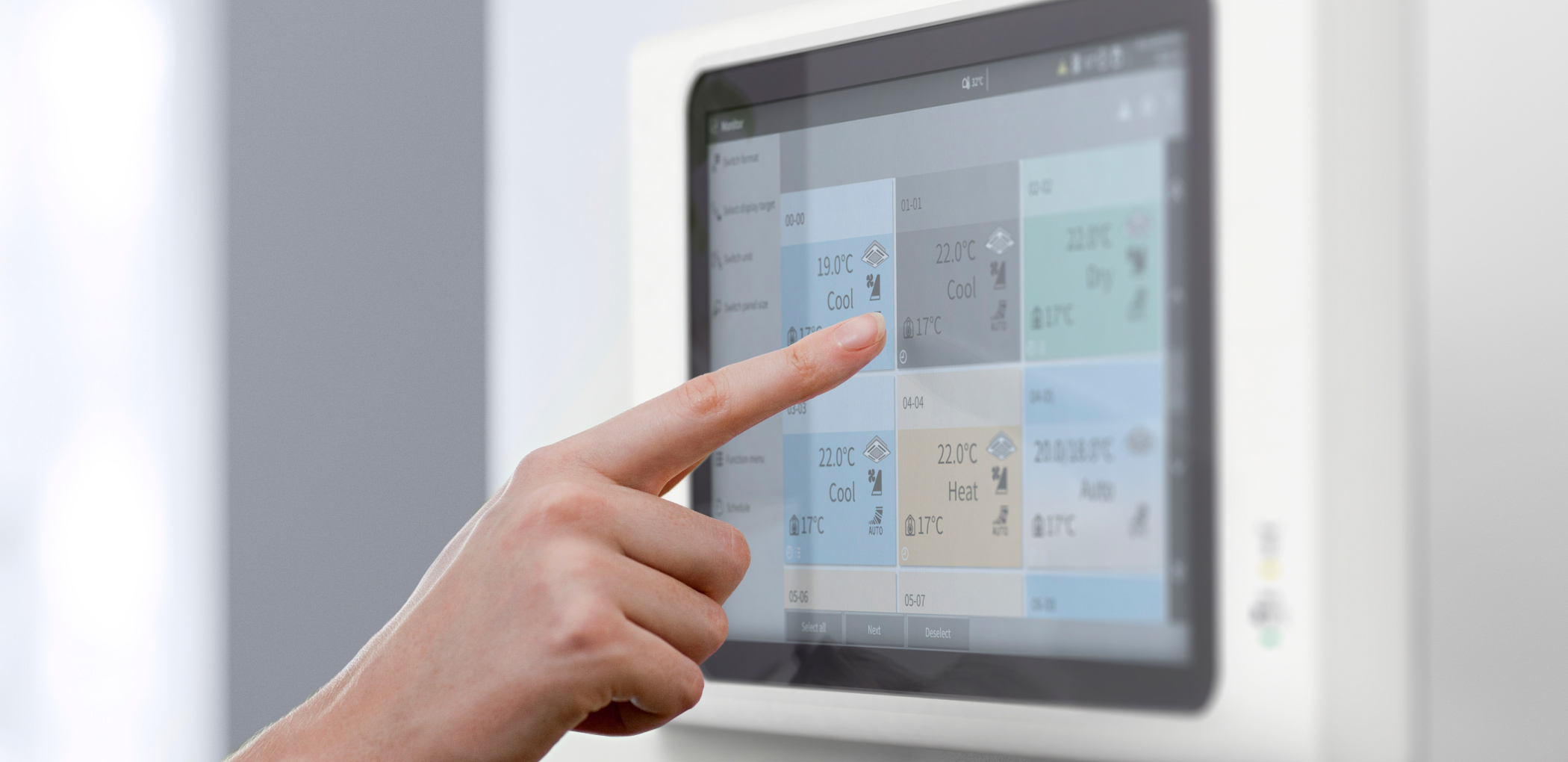
Plumbing systems can be integrated with heating and cooling systems through components like:
-
Radiators:
Used in hydronic heating systems.
-
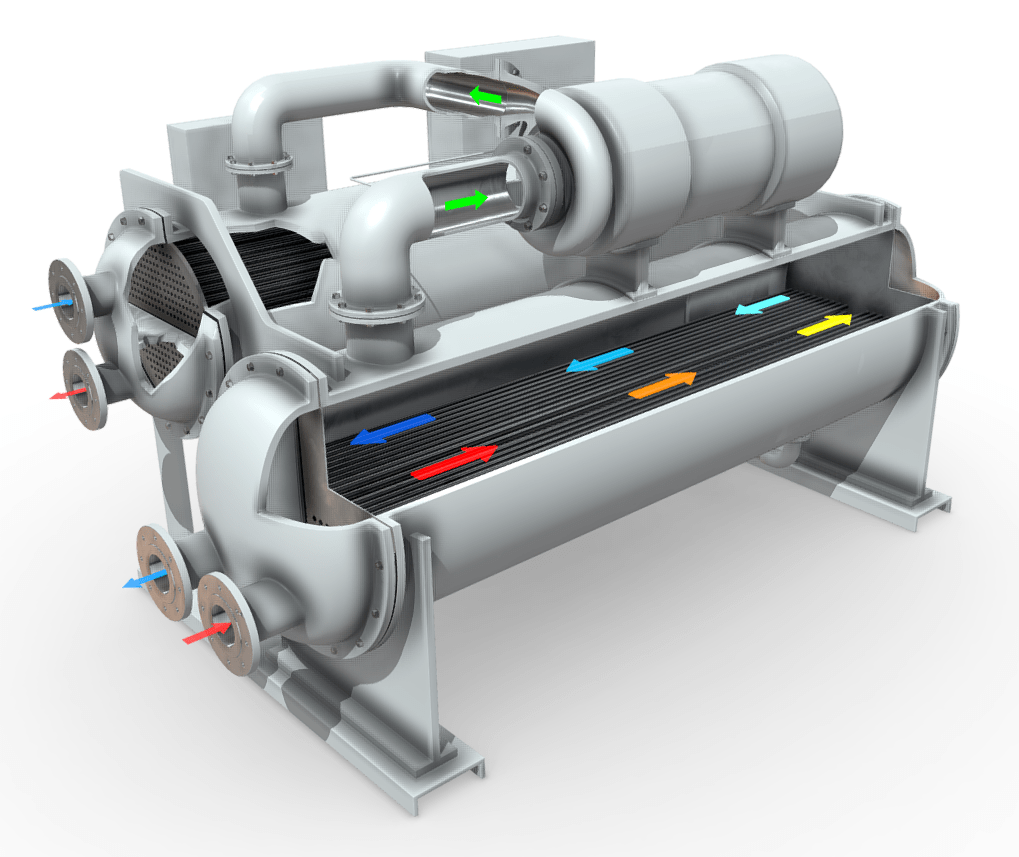
Heat Exchangers:
Transfer heat between water and air in HVAC systems.
-
Cooling Towers:
Used in large-scale HVAC systems.
Fire Sprinkler System (Optional):
In commercial or multi-story buildings, fire sprinkler systems may be integrated into the plumbing system for fire protection.
Plumbing Controls and Valves:
- Various controls and valves are used to regulate water temperature, flow, and pressure. Examples include thermostatic mixing valves and pressure-reducing valves.
Water Storage Tanks (If Required):
- In some buildings, water storage tanks may be used for backup water supply or to maintain water pressure.
Plumbing Insulation and Support:
- Insulation helps prevent pipes from freezing in cold climates, and proper support ensures pipes remain secure and in good condition.
Plumbing Fixtures and Piping Support:
- Support structures and brackets hold fixtures and piping in place to prevent sagging or damage.
Plumbing Access Panels and Covers:
- Access panels and covers allow for maintenance and inspection of plumbing components located behind walls or ceilings.
These components work together to ensure the delivery of clean water, the efficient removal of wastewater, and the proper functioning of plumbing systems in buildings and facilities. The specific components and their configurations may vary depending on the building's size, purpose, and local building codes and regulations.
Please contact us for all of your MEP service needs at Email: essconsmep@gmail.com or call us on +91 97129 46469
Visit us at www.essconsmep.com