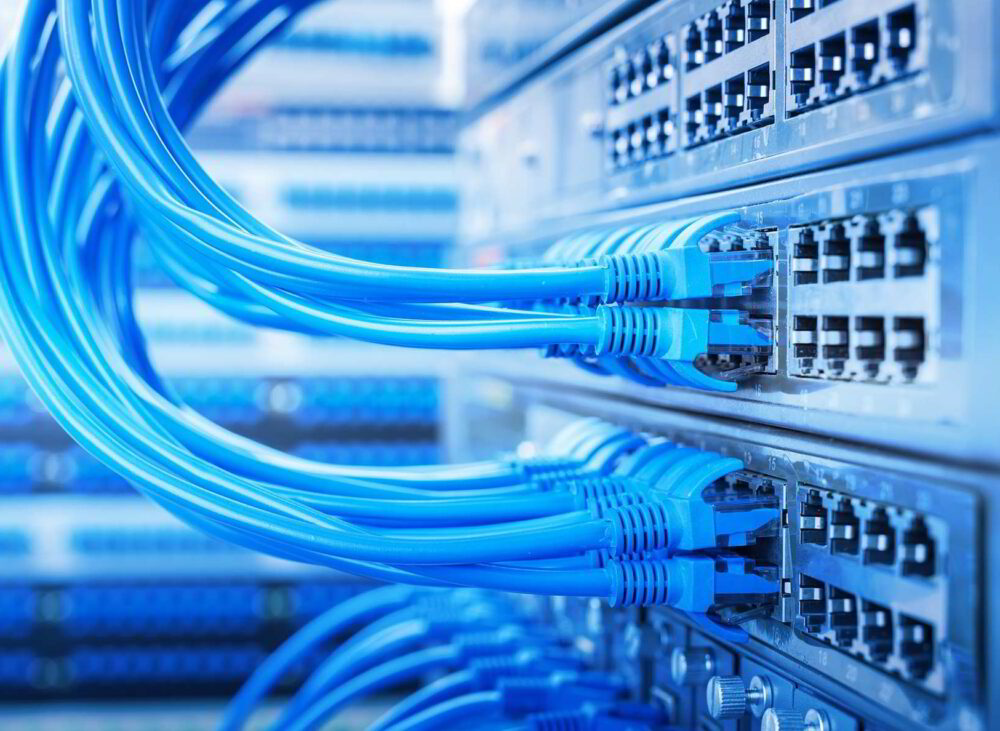
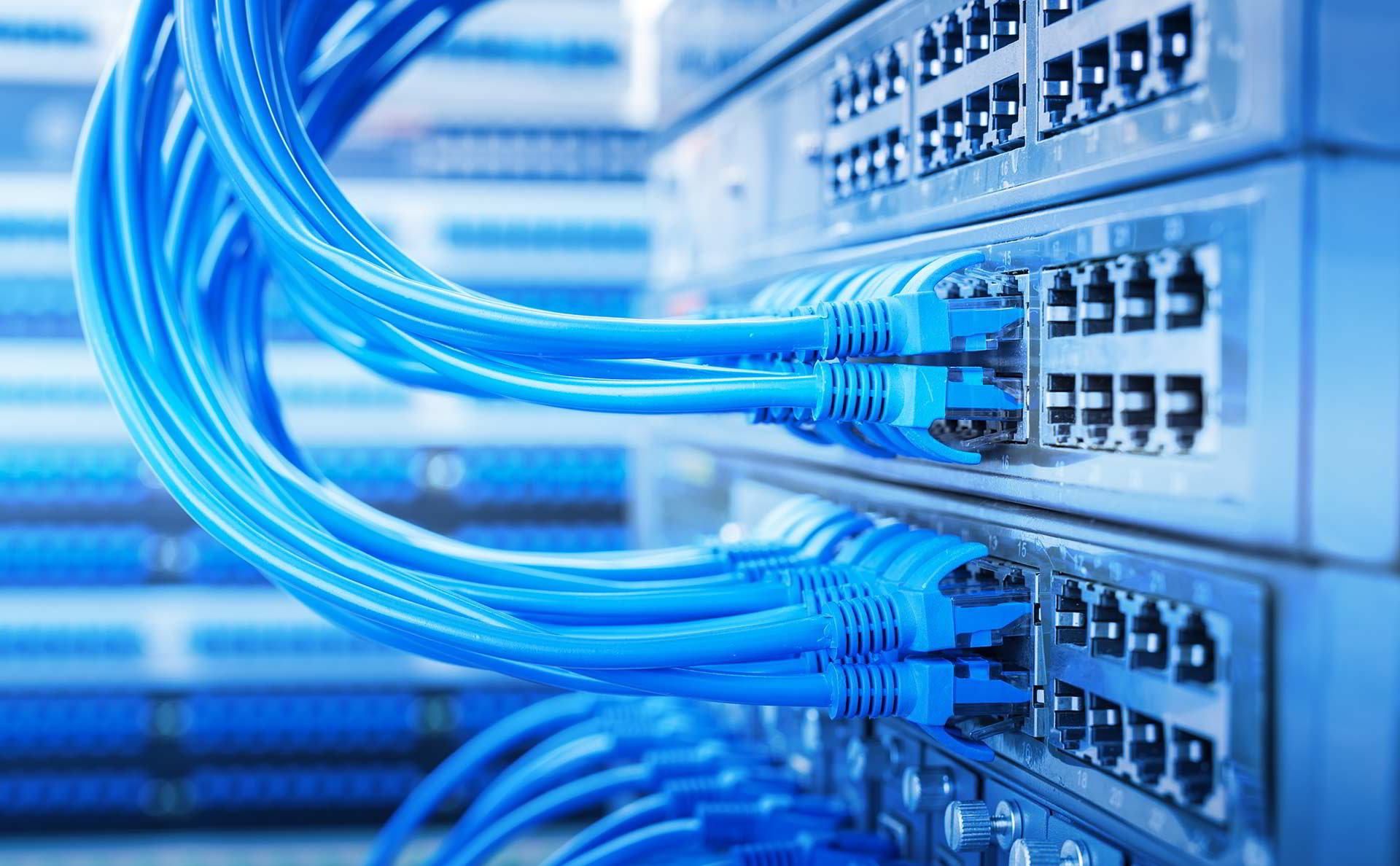
Structured Cabling System (SCS) refers to a comprehensive and organized approach to designing, installing, and managing the cabling infrastructure within a building or campus. This infrastructure serves as the backbone for various communication systems, including data, voice, video, and other applications. Here are the key components and aspects of a structured cabling system:
Cabling Components:
Cable: Structured cabling typically involves various types of cables, including twisted-pair copper cables (e.g., Cat 5e, Cat 6, Cat 6a) for Ethernet, coaxial cables for video, and fiber optic cables for high-speed data transmission.
Connectors:
Connectors and terminations are used to join cables to devices, patch panels, and outlets.
Patch Panels:
Patch panels provide a centralized and organized connection point for cables within a data center or communication room.
Outlets:
Wall outlets and data jacks in offices or rooms provide connections for end-user devices.
Racks and Cabinets:
These house active network equipment like switches, routers, and servers. They also help organize and protect cables.
Horizontal Cabling:
Horizontal cabling connects the telecommunication rooms or distribution points to individual workstations or devices. It typically includes cable runs, connectors, and outlets.
Backbone Cabling:
Backbone cabling connects different parts of a building or multiple buildings within a campus. It consists of high-capacity cables and serves as the main conduit for data transfer between telecommunication rooms.
Telecommunication Rooms (TRs):
TRs are dedicated spaces where structured cabling systems are terminated, connected, and managed. They are often strategically located throughout a building or campus.
Labelling and Documentation:
Proper labelling and documentation of cables, connectors, and components are essential for efficient maintenance, troubleshooting, and changes within the network.
Cable Management:
Cable management techniques, such as cable trays, raceways, and cable ties, are used to organize and secure cables, preventing tangling and reducing interference.
Standards and Regulations:
Structured cabling systems adhere to industry standards like those defined by TIA (Telecommunications Industry Association) and ISO/IEC (International Electro-technical Commission). Compliance with these standards ensures interoperability and performance.
Testing and Certification:
Rigorous testing and certification of the cabling system are essential to verify that it meets the specified performance standards. This includes tests for signal attenuation, crosstalk, and impedance.
Scalability:
A well-designed structured cabling system is scalable and can accommodate future growth and technological advancements with minimal disruption.
Security and Redundancy:
- Security measures, such as access controls and cable encryption, are critical to protect the cabling infrastructure. Redundancy in critical components ensures network uptime in case of failures.
Performance:
- The structured cabling system should support high data transmission rates, low latency, and minimal signal loss to meet the demands of modern applications and technologies.
Environmental Considerations:
- Structured cabling systems must consider environmental factors such as temperature control, humidity management, and protection against physical hazards like water and dust.
Maintenance and Upkeep:
- Regular maintenance, including inspections and updates, is essential to ensure the continued reliability and performance of the structured cabling system.
A well-designed and properly installed structured cabling system provides a robust and flexible foundation for the seamless operation of various communication and data systems within a building or campus. It plays a crucial role in supporting modern technologies and business operations.
Please contact us for all of your MEP service needs at Email: essconsmep@gmail.com or call us on +91 97129 46469
Visit us at www.essconsmep.com