An Integrated Building Management System (I-BMS) is a comprehensive and centralized control system used in commercial and industrial buildings to manage and monitor a wide range of building systems and services. It provides a single platform for overseeing and optimizing various building functions, including HVAC (Heating, Ventilation, and Air Conditioning), lighting, security, fire safety, energy management, and more. Here are key aspects of an Integrated BMS system:
Centralized Control:
I-BMS allows building managers and operators to control multiple building systems and sub-systems from a centralized interface. This simplifies building operations and improves efficiency.
Cross-System Integration:
I-BMS integrates various building systems and subsystems to ensure they work in harmony. For example, it can coordinate HVAC and lighting systems for energy efficiency or link access control and security systems for enhanced safety.
Real-Time Monitoring:
It provides real-time monitoring and data collection capabilities, enabling building operators to track the performance of different systems and respond to issues promptly.
Automation and Scheduling:
I-BMS can automate routine tasks and implement schedules to optimize energy usage, occupant comfort, and security. For instance, it can adjust HVAC settings based on occupancy patterns or schedule lighting based on occupancy and daylight availability.
Energy Management:
I-BMS plays a vital role in energy management by monitoring energy consumption, identifying inefficiencies, and implementing energy-saving measures. It can also respond to demand-response signals to reduce peak energy demand.
Fault Detection and Diagnostics:
The system uses algorithms and data analysis to detect equipment faults and inefficiencies, allowing for proactive maintenance and reduced downtime.
Security and Access Control:
I-BMS integrates security systems, including access control, surveillance cameras, and intrusion detection, to enhance building security and control access to sensitive areas.
Fire Safety:
Fire safety systems, such as fire alarms, smoke detectors, and sprinkler systems, can be integrated with the I-BMS to improve response times during emergencies.
User-Friendly Interface:
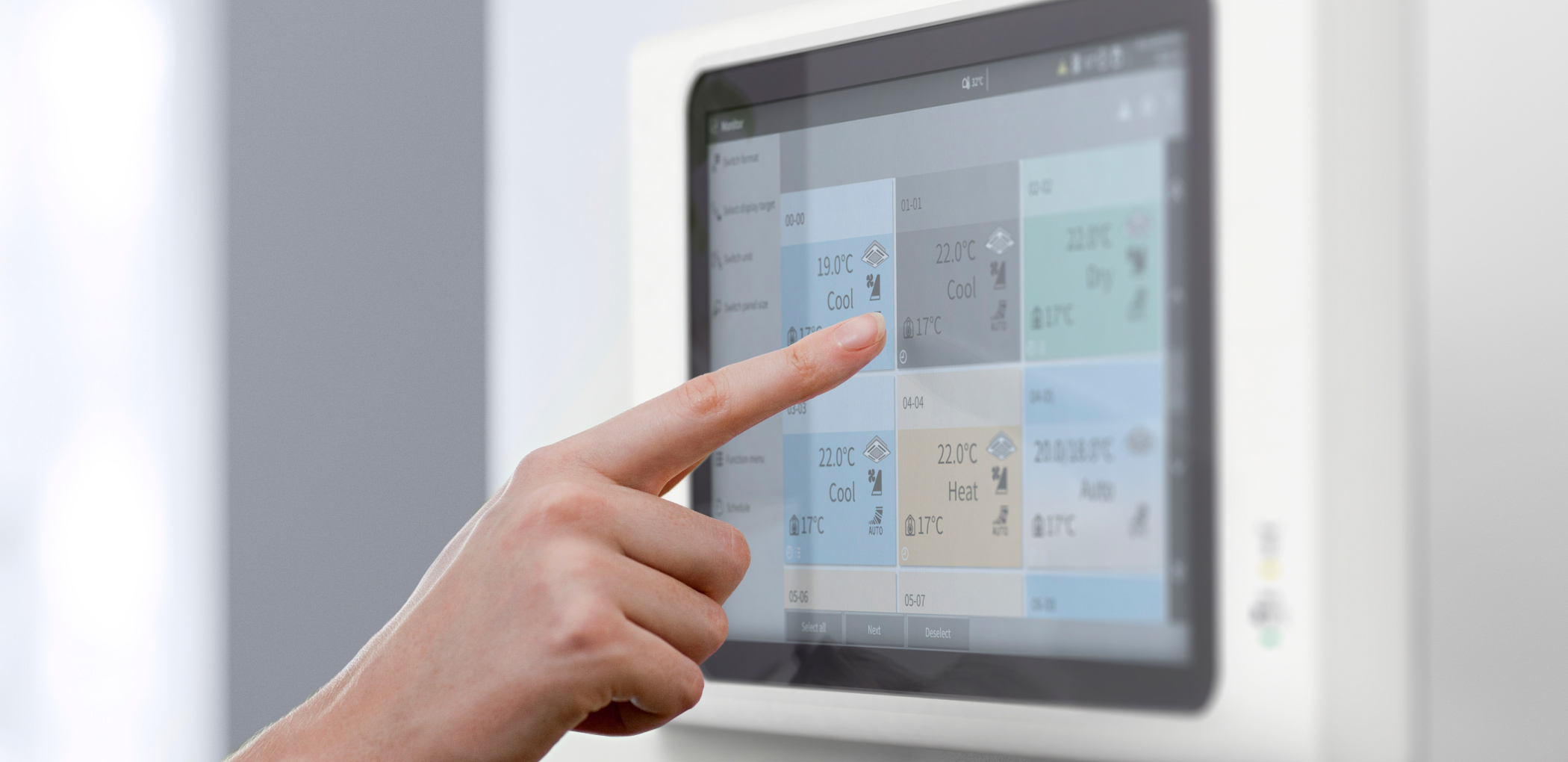
The system typically provides an easy-to-use interface for building operators to monitor and control building functions. This can be web-based, mobile-friendly, or custom-designed for specific needs.
Data Logging and Reporting:
I-BMS logs historical data on system performance, energy usage, and equipment status. This data is useful for analysis, reporting, and compliance with regulatory requirements.
Remote Access:
Many I-BMS systems offer remote access, allowing authorized personnel to monitor and control building systems from off-site locations, improving flexibility and responsiveness.
Customization:
I-BMS systems can be customized to suit the specific needs of a building, considering its size, function, and operational requirements.
Scalability:
The system should be scalable to accommodate future expansions or changes in building systems.
Vendor Compatibility:
I-BMS systems should support open protocols and standards to facilitate integration with a variety of third-party devices and systems.
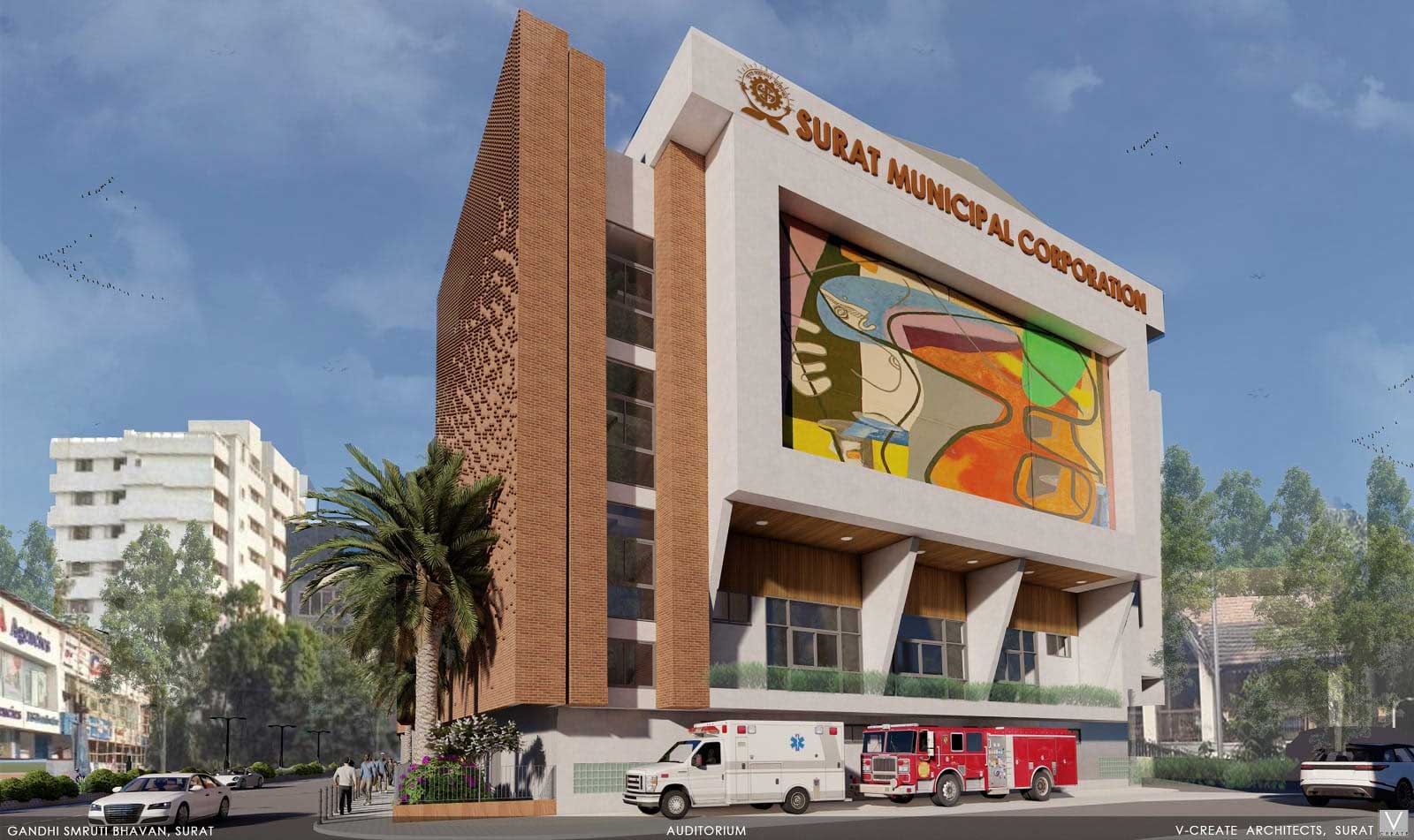
I-BMS systems are essential for large and complex buildings, such as commercial offices, hospitals, data centers, and industrial facilities, where efficient management of multiple systems is critical for operational effectiveness, energy efficiency, and occupant comfort and safety.
Various facility subsystems can be classified into different types based on their functionality. Some common types of BMS include:
Electric system management
Plumbing system management
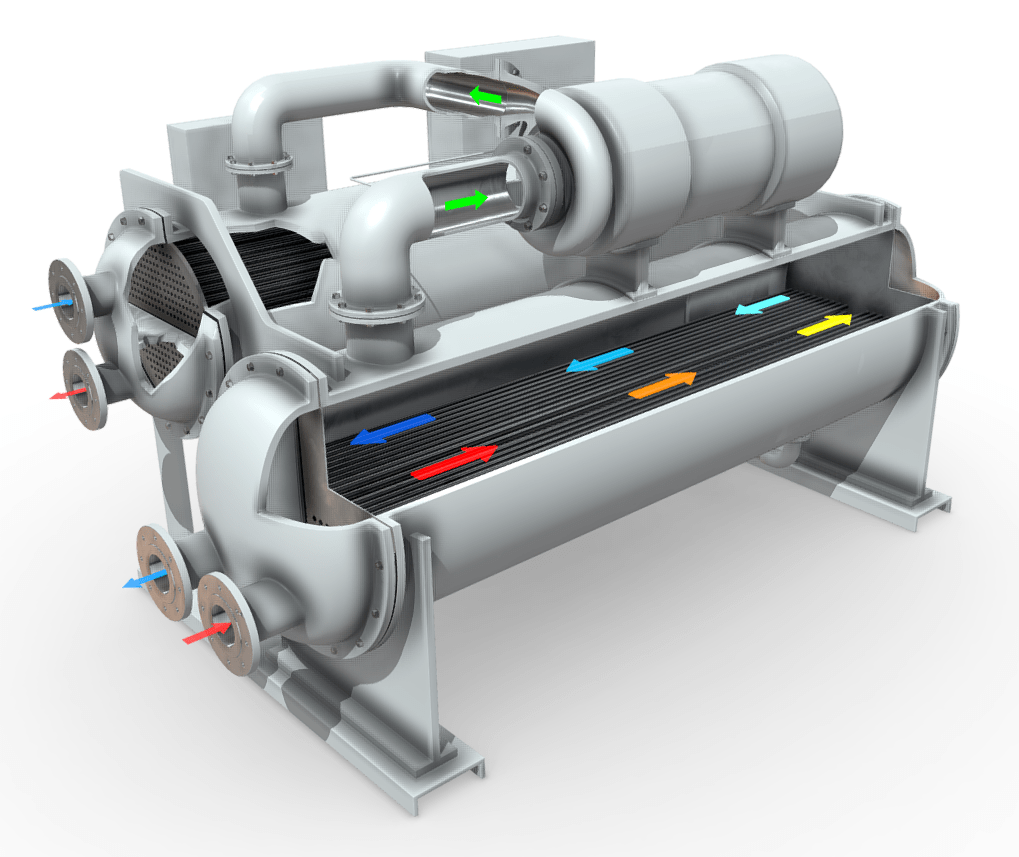
Heating, ventilation, and air conditioning (HVAC) system management
Lighting system management
Fire alarm and fire fighting system management
Security control system management
CCTV system management
Lift control system management
Pumping system management
Water tanks level management
Irrigation system management
Electrical meters monitoring
Water leak detection system management
Split units control
Variable frequency drives (VFD) management
Variable refrigerant flow/volume (VRF/VRV) control
Integration with other systems supporting BMS control and monitoring