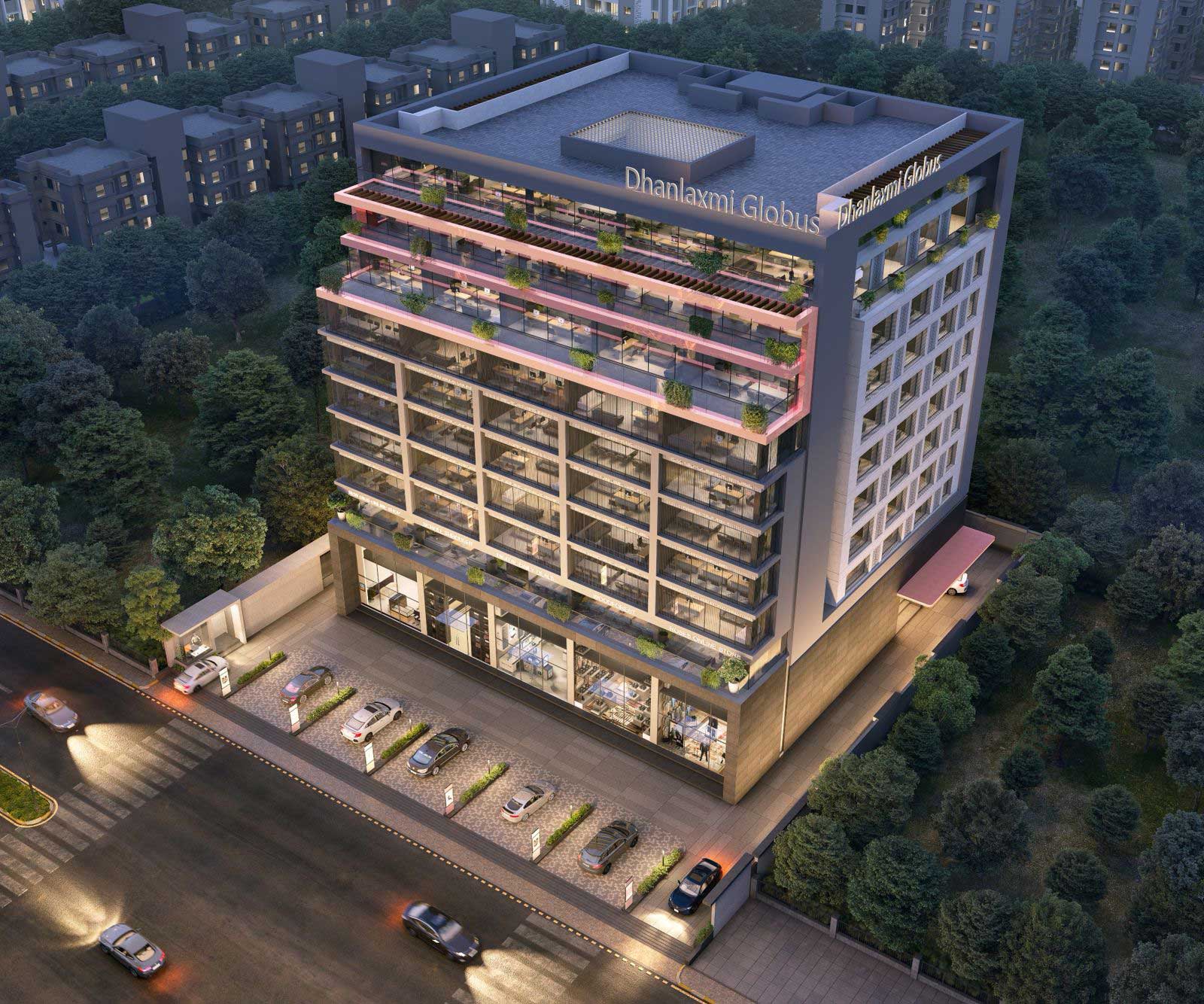
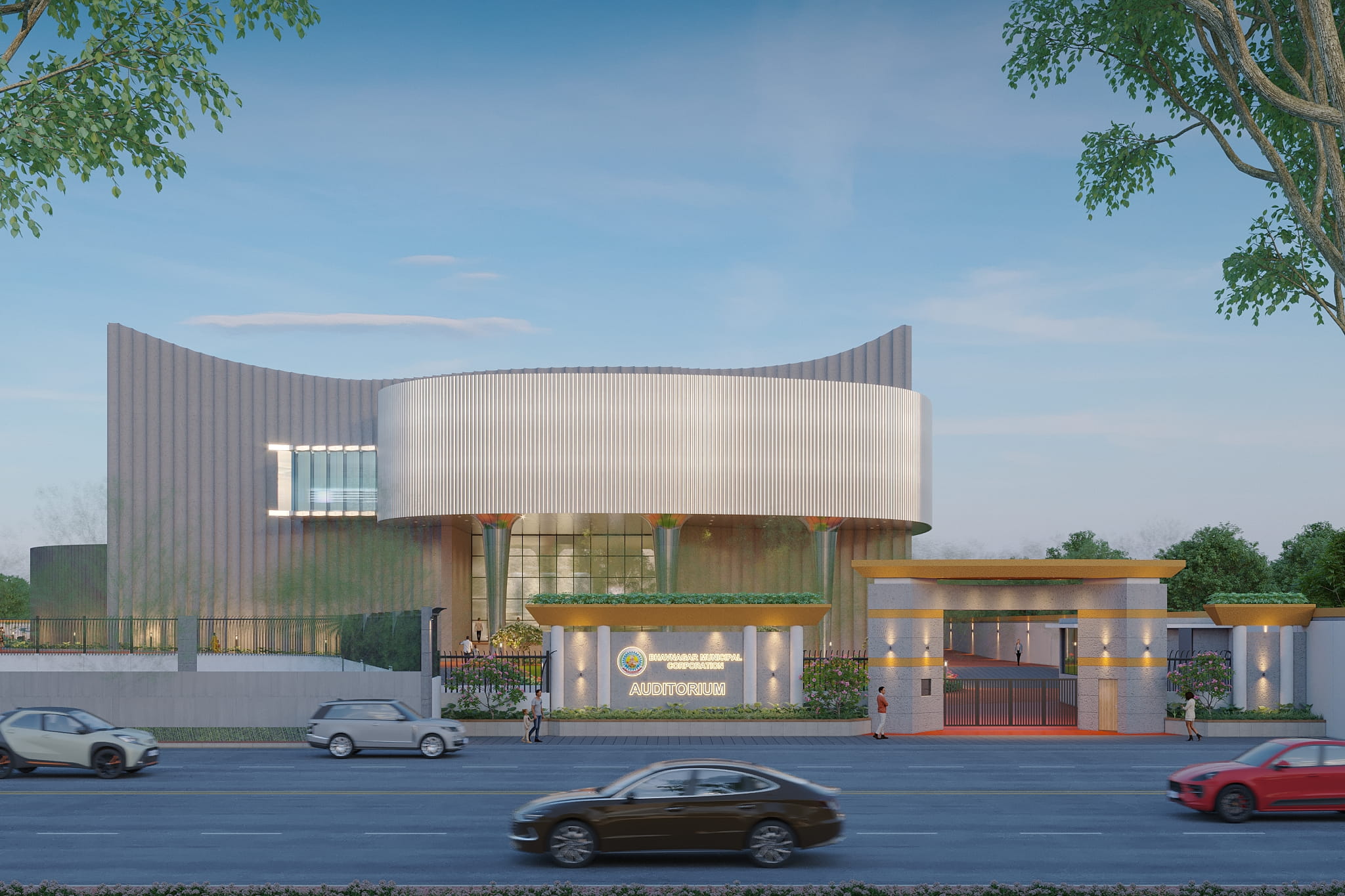
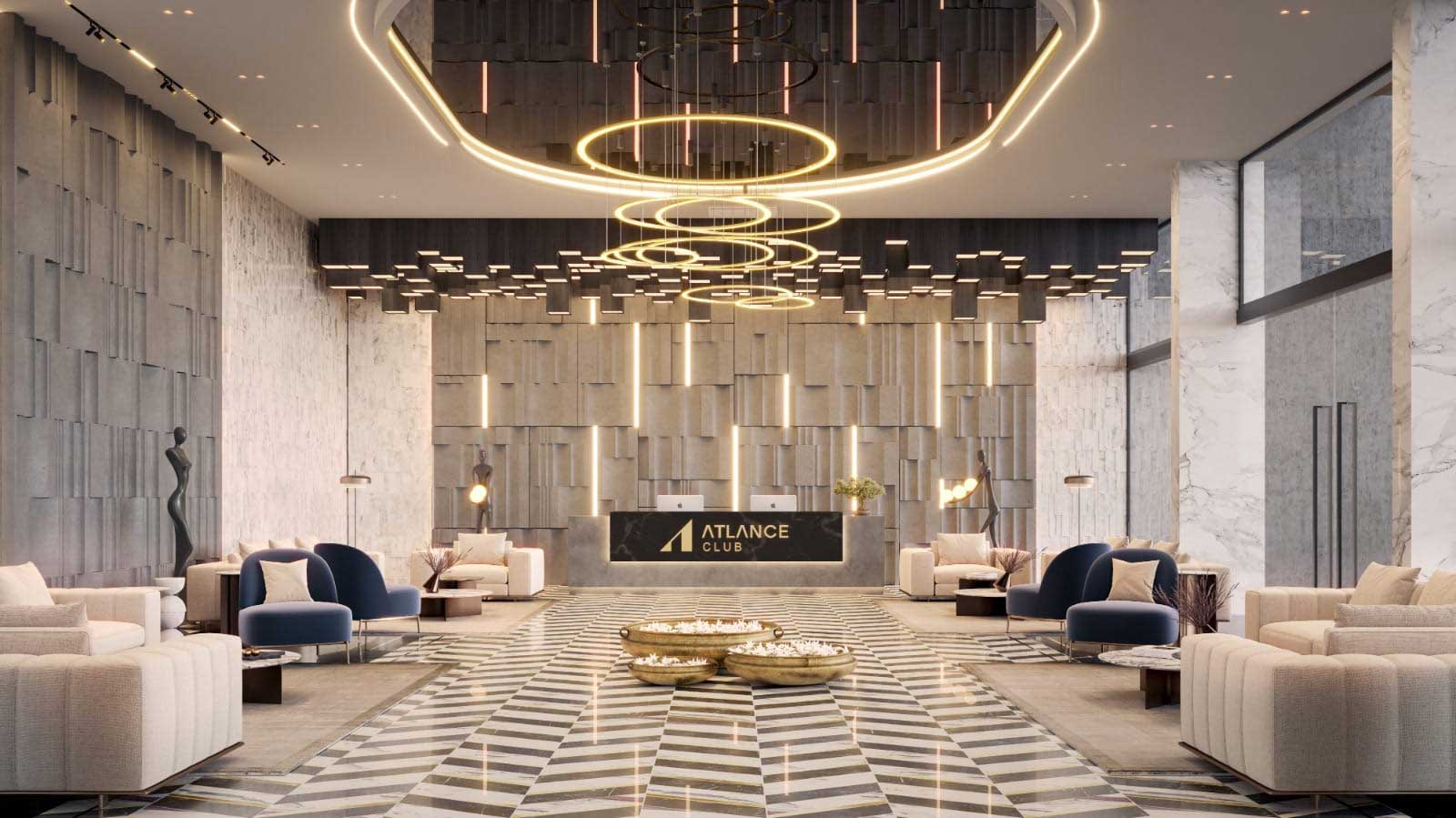
Lighting fundamentals encompass a wide range of principles and concepts related to the design and use of lighting in various applications, including interior and exterior spaces, photography, theater, and more. Here are some key aspects of lighting fundamentals:
Types of Lighting:
Natural Lighting:
The use of sunlight to illuminate spaces. Architects and designers often consider the orientation and placement of windows and skylights to maximize natural light.
Artificial Lighting:
Man-made light sources, including incandescent, fluorescent, LED, and other types of electric lighting.
Color Temperature:
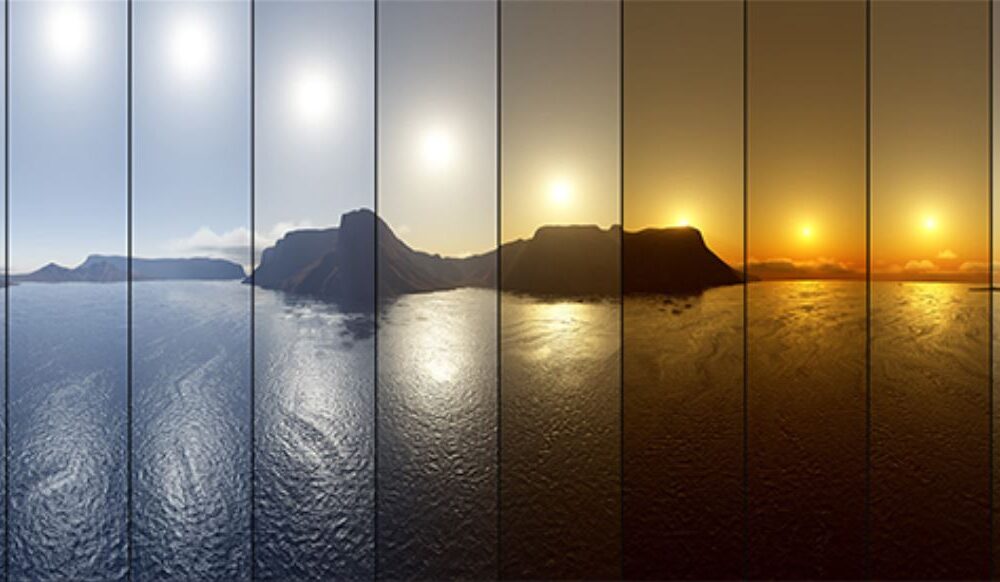
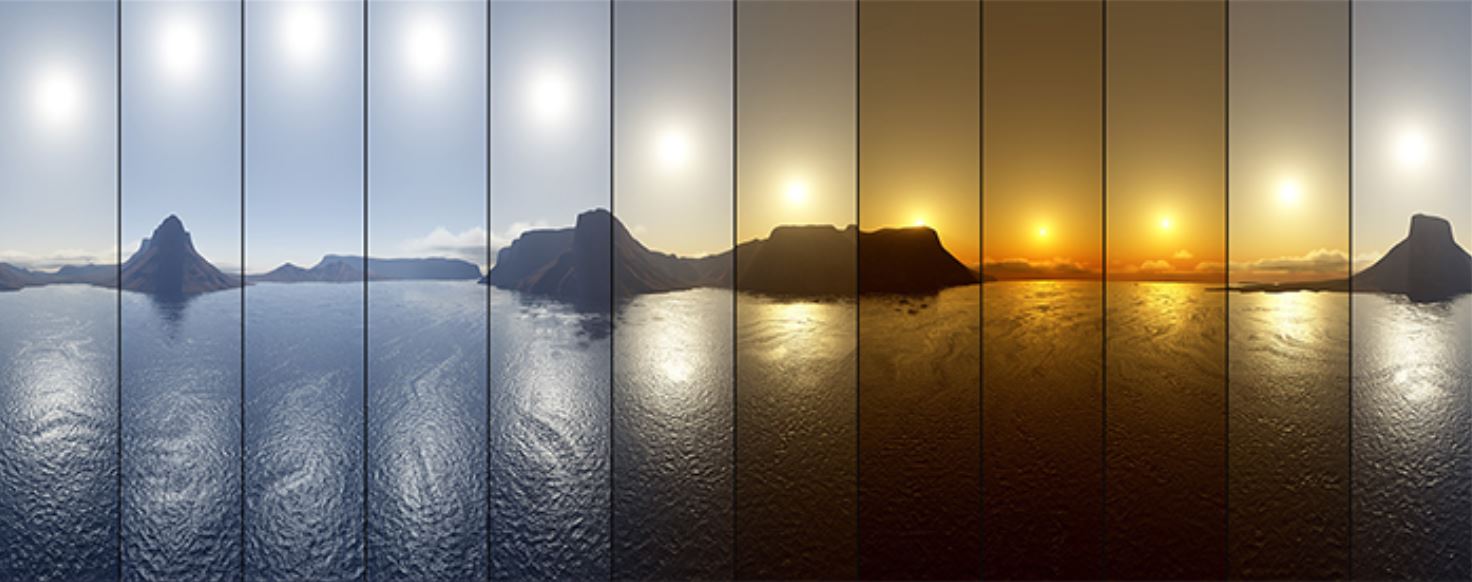
The color appearance of light, measured in Kelvins (K). Lower temperatures (e.g., 2700K) create warm, yellowish light, while higher temperatures (e.g., 5000K) produce cooler, bluish light.
Luminance and Illuminance:
Luminance:
The brightness of a surface, often measured in candelas per square meter (cd/m²).
Illuminance:
The amount of light striking a surface, measured in lux (lx).
Lighting Design Principles:
Task Lighting:
Providing focused light for specific tasks, such as reading, cooking, or working.
Ambient Lighting:
Creating general, uniform illumination in a space.
Accent Lighting:
Highlighting specific objects or areas for visual interest.
Mood Lighting:
Setting the atmosphere or mood using lighting design.
Lighting Fixtures:
The various types of fixtures, such as chandeliers, pendant lights, sconces, and track lighting, each serving different purposes and aesthetics
Lighting Control Systems:
The technology and methods used to control the intensity, color, and timing of lighting. This can include dimmer switches, smart lighting systems, and automated controls.
Lighting for Energy Efficiency:
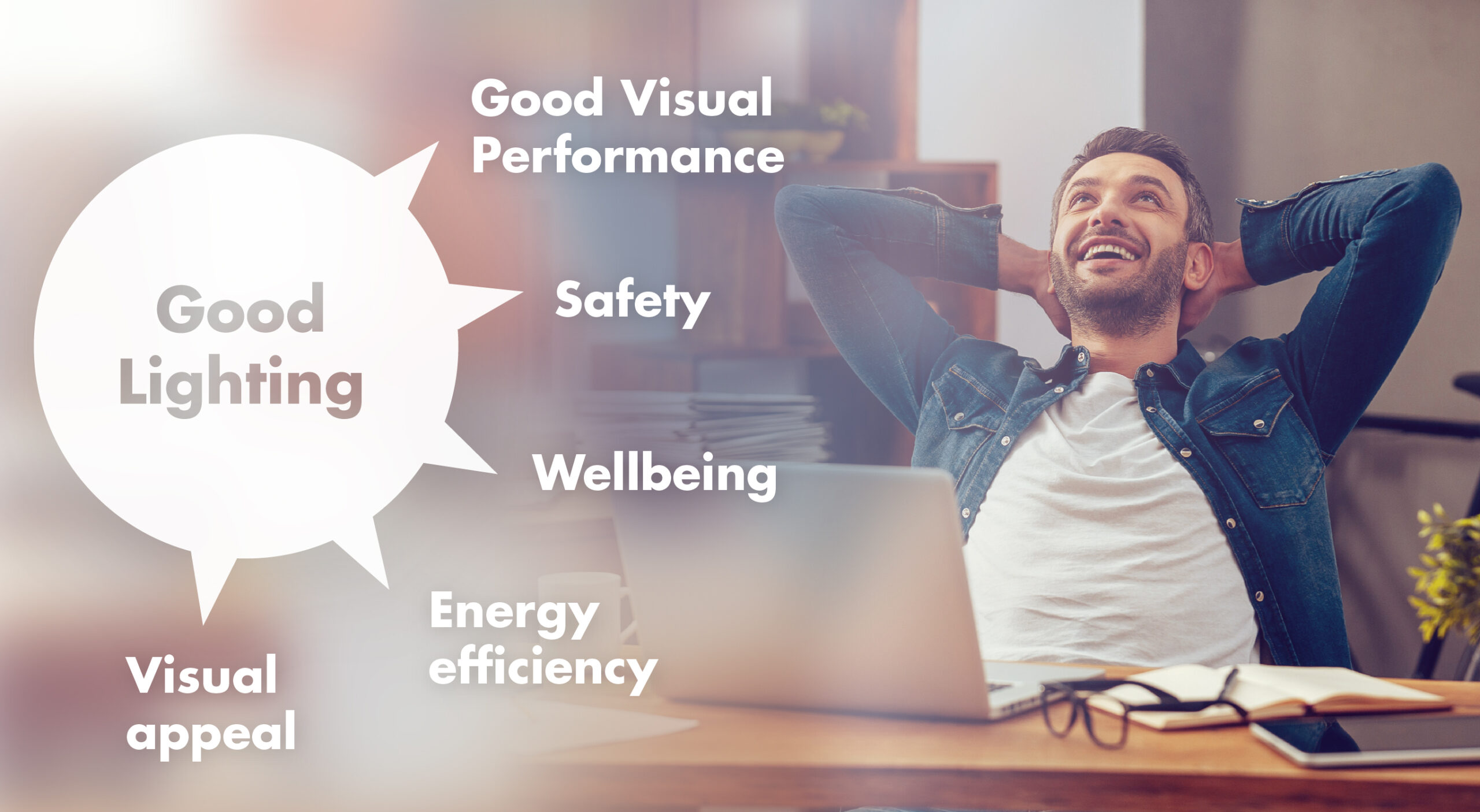
Designing lighting systems that minimize energy consumption, including the use of LED bulbs, motion sensors, and daylight harvesting.
Photometric:
The science of measuring and specifying the distribution of light, including metrics like beam angle, light output, and light distribution curves.
Lighting in Photography:
Understanding how light affects the composition and quality of photographs, including concepts like key light, fill light, and backlighting.
Theater and Stage Lighting:
Techniques used in theatrical productions to create mood, atmosphere, and visibility, including spotlights, floodlights, and gobos.
Lighting Safety:
Ensuring that lighting fixtures and electrical systems are installed and maintained safely to prevent electrical hazards and fires.
Lighting Terminology:
Familiarity with terms like lumens, watts, color rendering index (CRI), and correlated color temperature (CCT) is essential for understanding and specifying lighting products.
Lighting Codes and Standards:
Compliance with building codes and industry standards for lighting design and installation to ensure safety and efficiency.
Light Pollution:
The negative environmental and health impacts of excessive and poorly designed outdoor lighting, including skyglow, light trespass, and glare.
Sustainable Lighting:
Incorporating environmentally friendly lighting practices, such as using energy-efficient bulbs, recycling old fixtures, and minimizing light pollution.
Understanding these lighting fundamentals is crucial for achieving effective and aesthetically pleasing lighting designs in various contexts while also promoting energy efficiency and environmental sustainability.