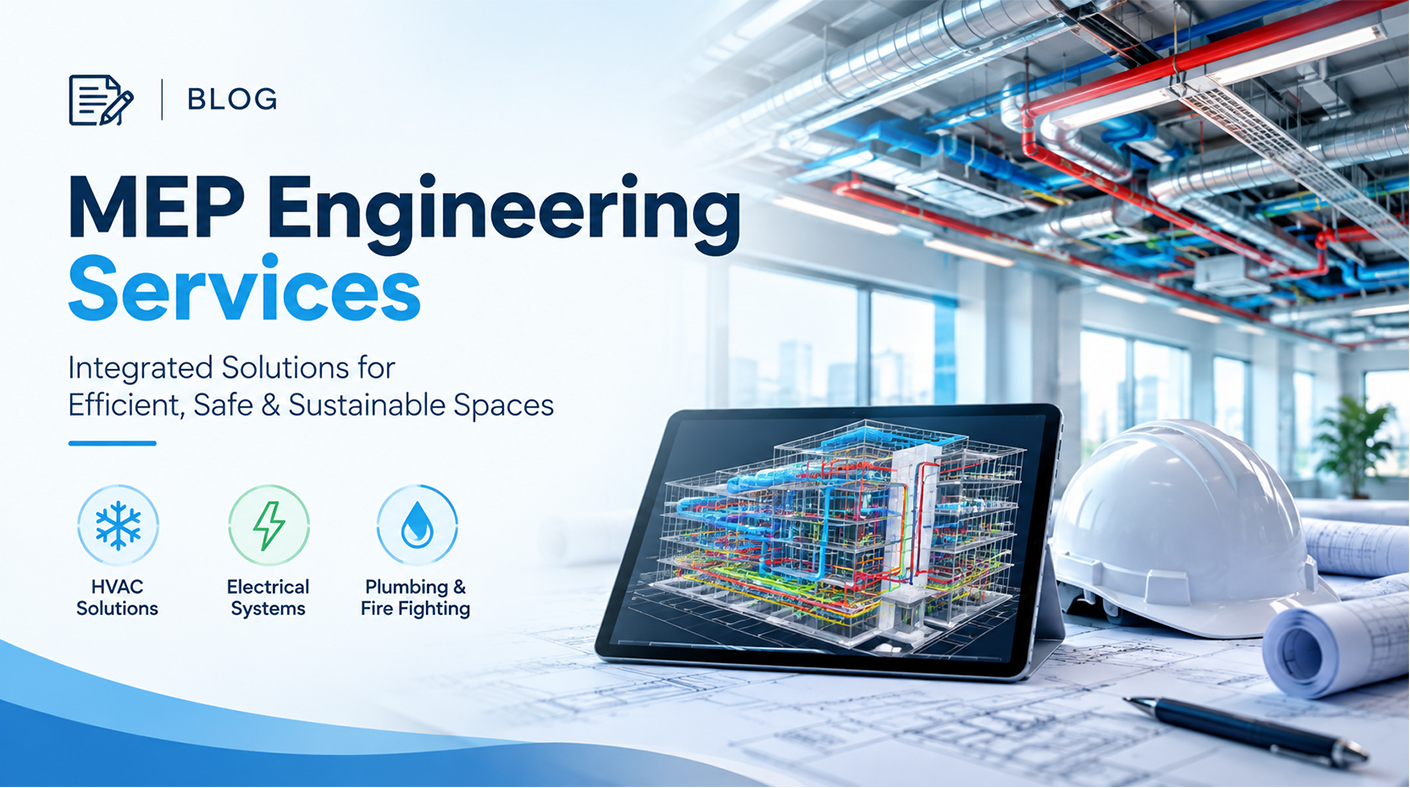
MEP Engineering Services: Building Smarter, Safer and More Efficient Spaces
Modern buildings require more than strong architecture and quality construction. They need well-planned mechanical, electrical and plumbing systems that work together efficiently. MEP Engineering Services play an important role in designing these essential building systems while supporting safety, comfort, energy efficiency and long-term performance.
What Are MEP Engineering Services?
MEP stands for Mechanical, Electrical and Plumbing. These three engineering disciplines form the backbone of a functional building.
Mechanical systems manage heating, ventilation, air conditioning and indoor environmental conditions. Electrical systems provide power distribution, lighting, emergency systems and other electrical requirements. Plumbing systems handle water supply, drainage, sanitation and related services.
Professional MEP Engineering Services bring these systems together through coordinated planning and engineering, helping reduce design conflicts and improve overall building performance.
Importance of MEP Engineering in Modern Buildings
A properly designed MEP system can have a significant impact on the functionality and efficiency of a building. Poorly coordinated services may result in installation difficulties, unnecessary costs, maintenance challenges and reduced operational efficiency.
With professional engineering and detailed planning, building owners and developers can achieve:
- Efficient use of energy and resources
- Better indoor comfort and air quality
- Reliable electrical power distribution
- Effective water supply and drainage
- Improved safety and compliance
- Easier maintenance and future upgrades
- Better coordination between different building systems
Mechanical Engineering Services
Mechanical systems are essential for maintaining comfortable and healthy indoor environments. Depending on the project, mechanical design may include HVAC systems, ventilation, air-conditioning, smoke management and other mechanical installations.
The engineering process considers factors such as building usage, occupancy, environmental conditions, equipment requirements and energy consumption. Properly designed mechanical systems can help maintain suitable indoor conditions while supporting efficient operation.
Electrical Engineering Services
Electrical infrastructure is a critical component of every commercial, industrial, residential and institutional project. Electrical engineering involves planning power distribution, lighting, earthing, emergency power systems and other electrical installations.
Professional design focuses on safety, reliability, capacity planning and efficient distribution. Proper coordination also helps ensure that electrical systems can support both current requirements and future expansion.
Plumbing Engineering Services
Plumbing systems are responsible for supplying clean water and safely removing wastewater from a building. A comprehensive plumbing design may include water supply systems, drainage, sewage systems, rainwater management and sanitary installations.
Good plumbing engineering helps maintain hygiene, prevent water wastage and support reliable building operations.
BIM and MEP Coordination
Building Information Modelling (BIM) has transformed the way building services are designed and coordinated. BIM-based MEP planning allows different engineering systems to be reviewed within a coordinated digital model.
This can help identify clashes between ducts, pipes, electrical services and structural elements before construction begins. Early identification of design conflicts can reduce site modifications and improve project coordination.
Why Choose Professional MEP Engineering Services?
Every building has different requirements. A hospital, commercial office, manufacturing facility and residential development may require completely different engineering solutions.
Professional MEP Engineering Services consider the project’s purpose, building layout, technical requirements, applicable standards and operational needs. This integrated approach helps create systems that are practical, efficient and easier to maintain.
For Esscons, the focus is on delivering coordinated engineering solutions that support the technical and operational requirements of each project. From initial planning and system design to coordination and documentation, an organized engineering approach can contribute to smoother project execution.
Applications of MEP Engineering
MEP engineering solutions can be applied across a wide range of projects, including:
- Commercial buildings
- Residential developments
- Hospitals and healthcare facilities
- Industrial plants
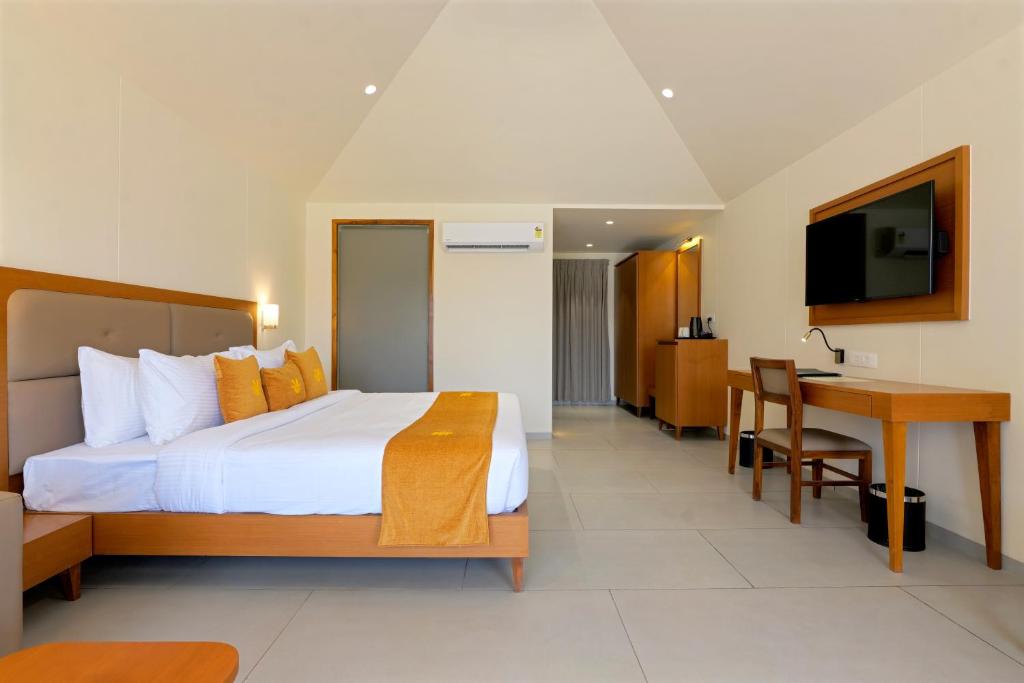
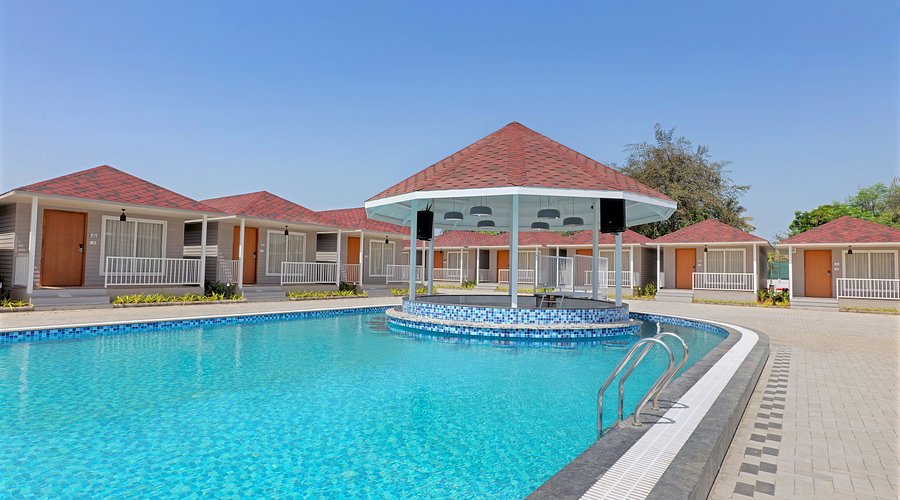
- Hotels and hospitality projects
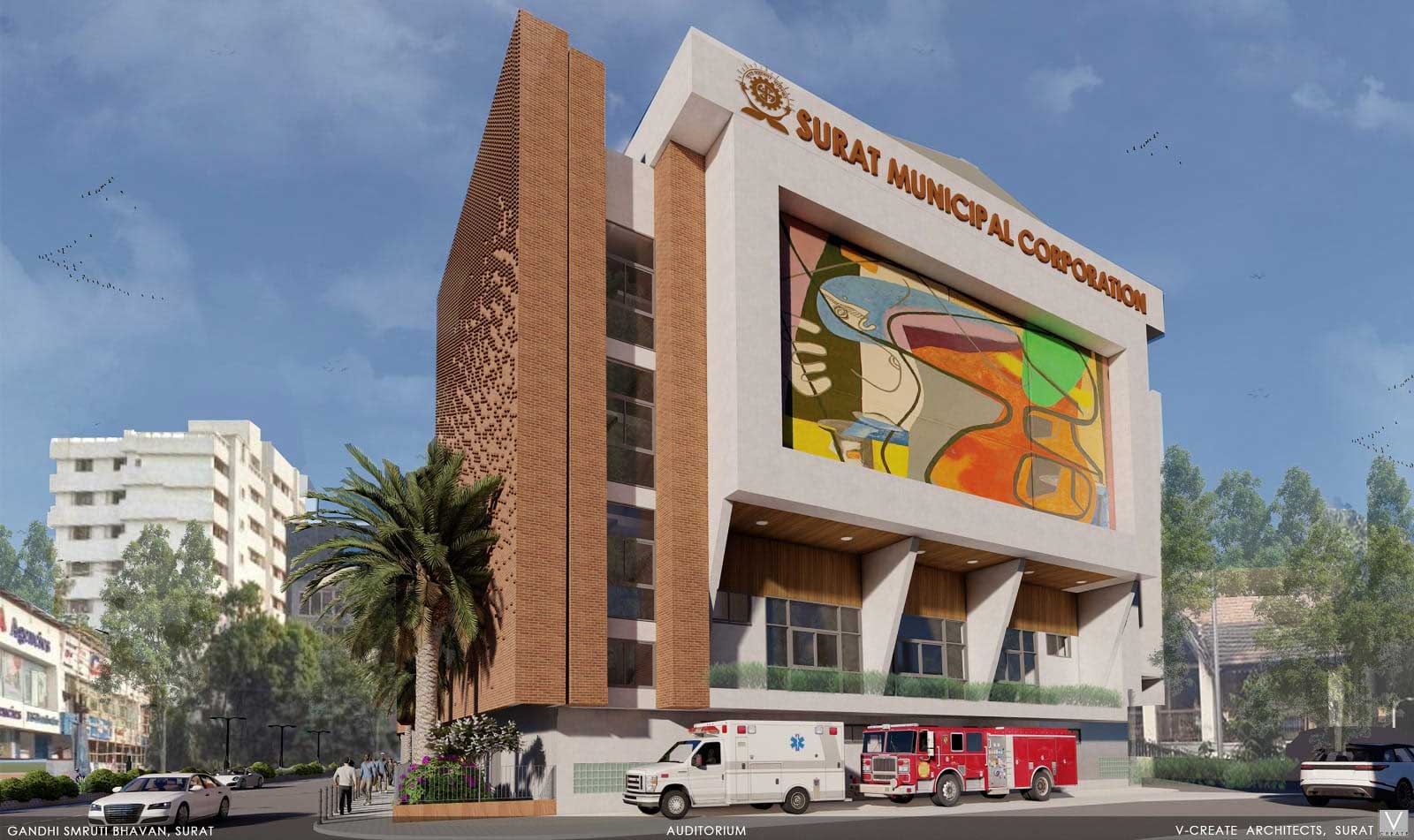
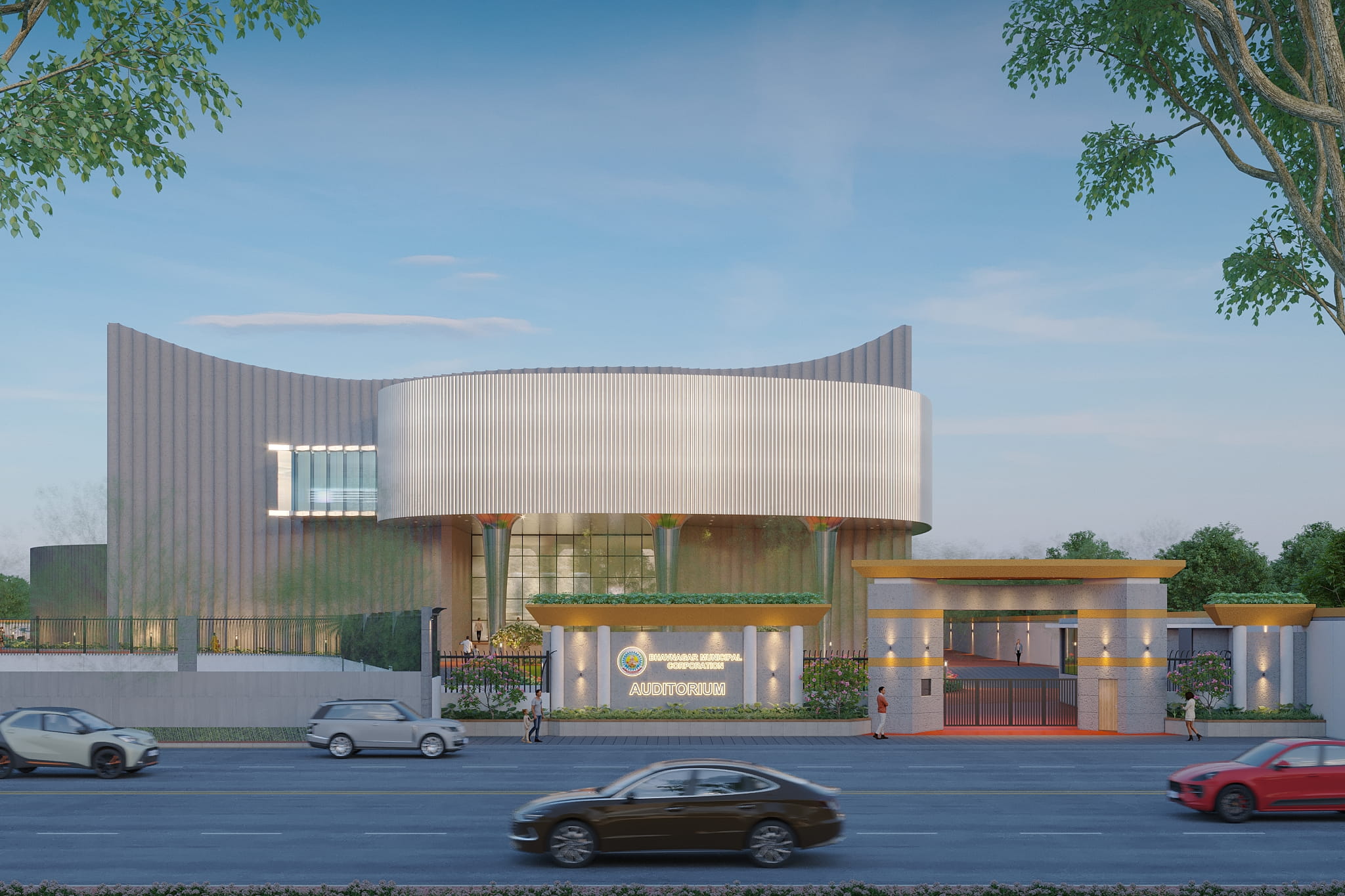
- Educational institutions
- Retail spaces
- Warehouses and logistics facilities
- Data centres
- Specialised facilities
Each application requires careful consideration of its specific mechanical, electrical and plumbing requirements.
Building Efficient Systems for the Future
As buildings become more technologically advanced and energy-conscious, integrated engineering is becoming increasingly important. Efficient HVAC systems, intelligent electrical infrastructure, water-saving solutions and coordinated building services can contribute to better building performance.
The right MEP Engineering Services approach can help project teams balance functionality, safety, efficiency and long-term operational requirements.
Conclusion
MEP systems are an essential part of modern building infrastructure. Effective coordination between mechanical, electrical and plumbing systems can improve building functionality, safety, comfort and efficiency.
With professional planning, detailed engineering and coordinated execution, Esscons can help businesses and project stakeholders develop building service solutions aligned with their technical requirements and project objectives.
If you are planning a new construction, renovation or infrastructure project, professional MEP Engineering Services can provide the technical foundation required for efficient and reliable building operations.