An Energy Management System (EMS) is a specialized system designed to monitor, control, and optimize energy usage within a building or industrial facility. EMS systems are essential for improving energy efficiency, reducing operating costs, and minimizing environmental impact. The key components of a typical EMS system include:
Sensors and Meters:
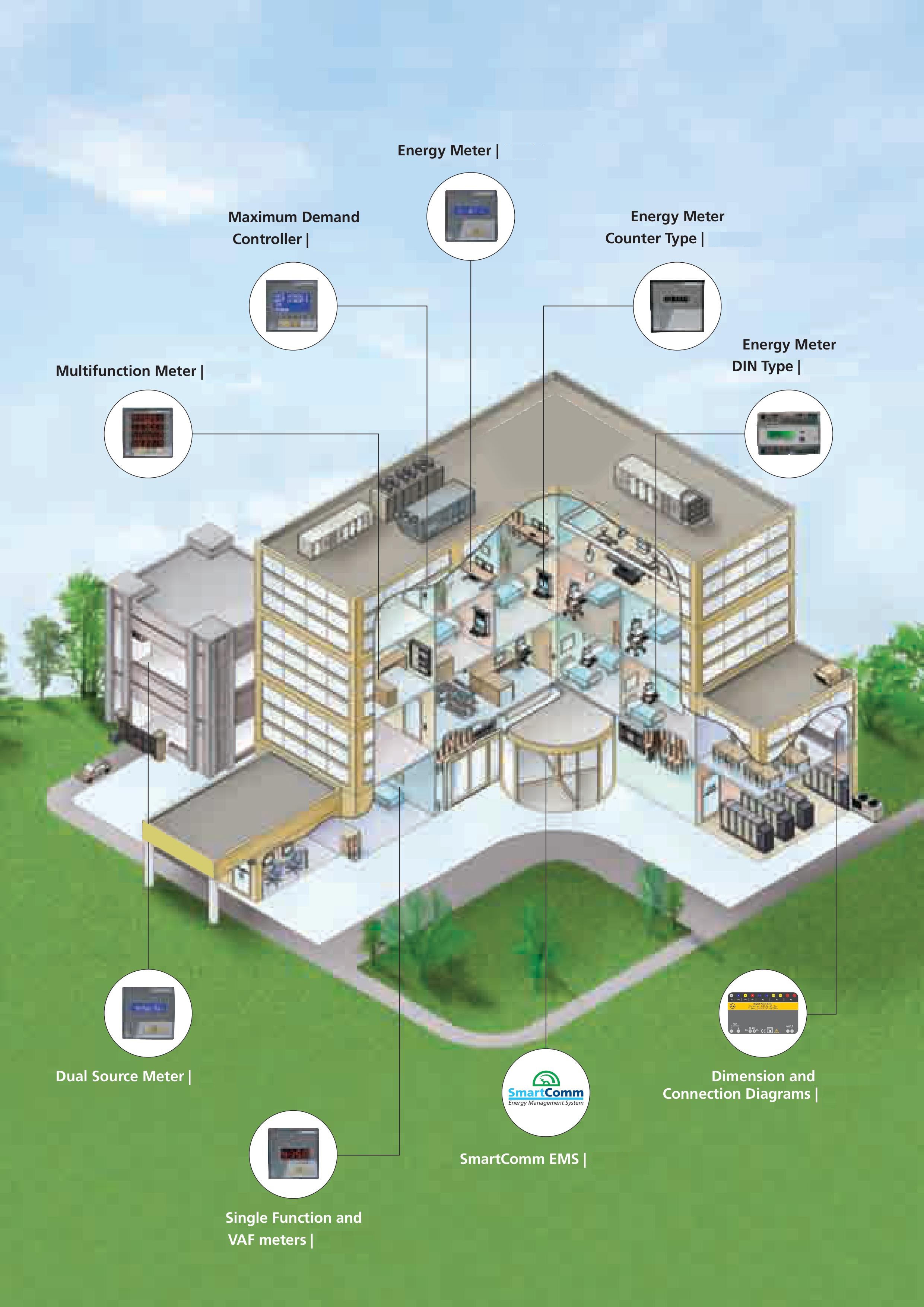
Various sensors and meters are installed throughout the facility to measure energy consumption, environmental conditions, and equipment performance. Common sensors include:
• Electricity meters: Measure electrical power usage.
• Gas meters: Monitor natural gas or other gas consumption.
• Water meters: Track water consumption.
• Temperature sensors: Measure indoor and outdoor temperatures.
• Humidity sensors: Monitor humidity levels.
• Flow meters: Measure fluid flow rates.
• Pressure sensors: Monitor air or fluid pressure.
Data Acquisition System (DAS):
The DAS collects data from sensors and meters and converts it into digital information. It interfaces with the EMS software for data analysis and decision-making.
EMS Software: The core of the EMS is the software platform, which processes data, performs analytics, and provides real-time monitoring and control. EMS software may include features such as:
• Energy data visualization: Display real-time energy consumption data through dashboards and reports.
• Energy analytics: Analyze historical data to identify trends and opportunities for energy savings.
• Alarms and notifications: Alert operators to energy-related anomalies or issues.
• Automated control strategies: Implement energy-saving measures, load shedding, and demand response.
• Reporting and benchmarking: Generate reports on energy consumption, costs, and performance.
• Integration with building systems: Connect with HVAC, lighting, and other building automation systems for coordinated control.
• Predictive maintenance: Analyze equipment data to predict and prevent equipment failures.
Communication Infrastructure: EMS systems rely on communication networks to transmit data between sensors, meters, and the central software. This can include wired and wireless connections, such as Ethernet, Wi-Fi, Zigbee, or LoRa.
Building Automation System (BAS) Integration:
EMS systems often integrate with BAS components to achieve energy-efficient control of HVAC, lighting, and other building systems. Integration allows for coordinated control and optimization.
User Interfaces:
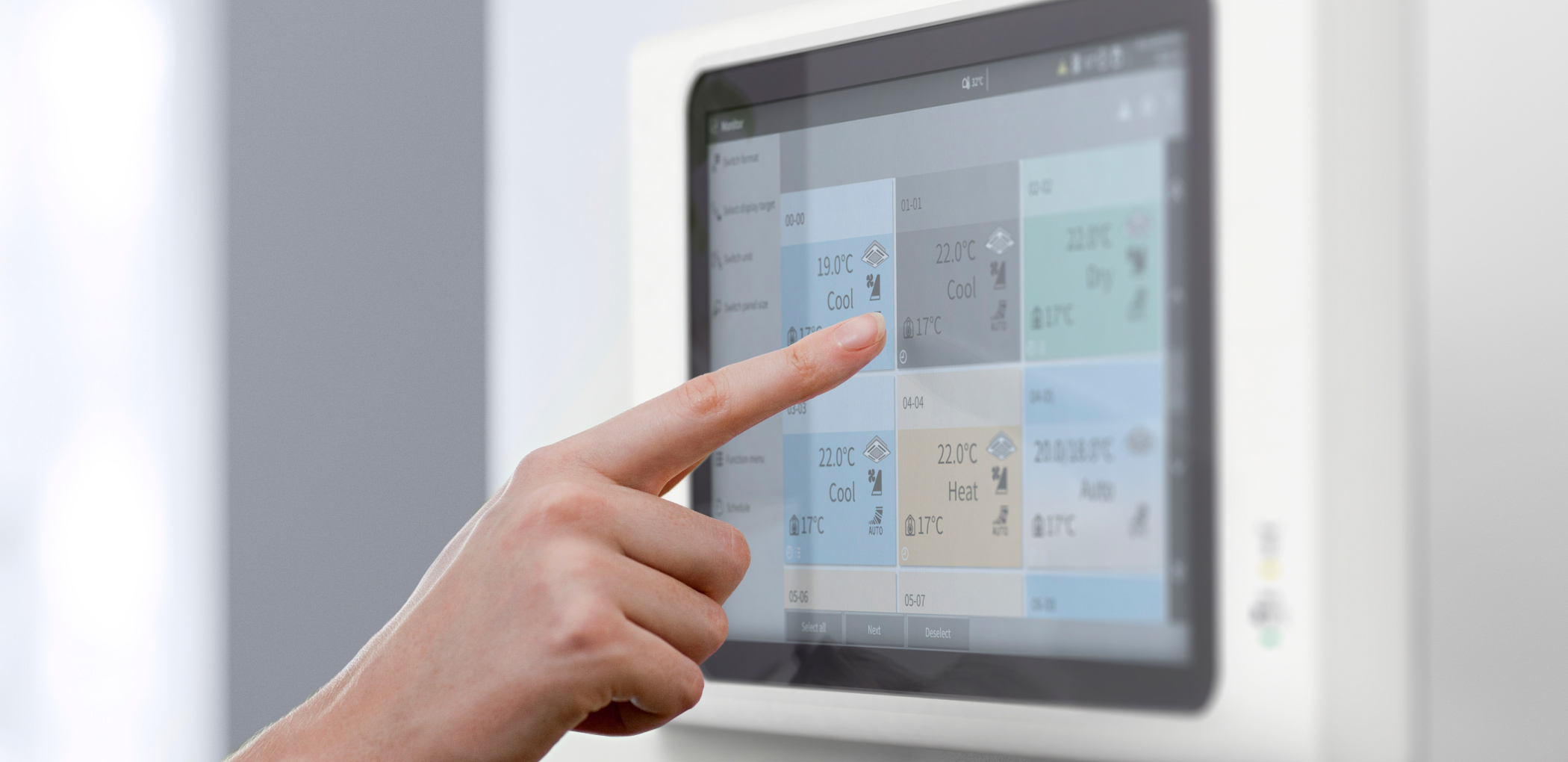
EMS systems provide user interfaces that allow facility managers and operators to interact with the system. These interfaces can be web-based, mobile apps, or dedicated workstations.
Energy Dashboards: Energy dashboards display real-time energy data and provide users with insights into energy consumption patterns, peak demand, and opportunities for improvement.
Historical Data Storage: The system stores historical data, enabling long-term analysis, reporting, and trend identification.
Alerts and Alarms:
EMS systems can issue alerts and alarms when energy usage exceeds predefined thresholds or when system anomalies occur.
Load Shedding and Demand Response:
Some EMS systems support load shedding and demand response strategies to reduce energy consumption during peak periods or in response to external grid signals.
Security and Access Control: Security features protect EMS data and systems from unauthorized access, cyber threats, and data breaches.
Integration with Utility Data:
EMS systems can integrate with utility data to track utility bills, rate structures, and incentives for energy savings.
Energy Management Strategy:
An energy management strategy or policy outlines the goals and objectives of the EMS, including energy reduction targets and operational guidelines.
The components and features of EMS systems can vary depending on the specific needs of the facility and the goals of energy management. EMS systems are valuable tools for organizations looking to improve energy efficiency, reduce operational costs, and meet sustainability goals.
Please contact us for all of your MEP service needs at Email: essconsmep@gmail.com or call us on +91 97129 46469
Visit us at www.essconsmep.com