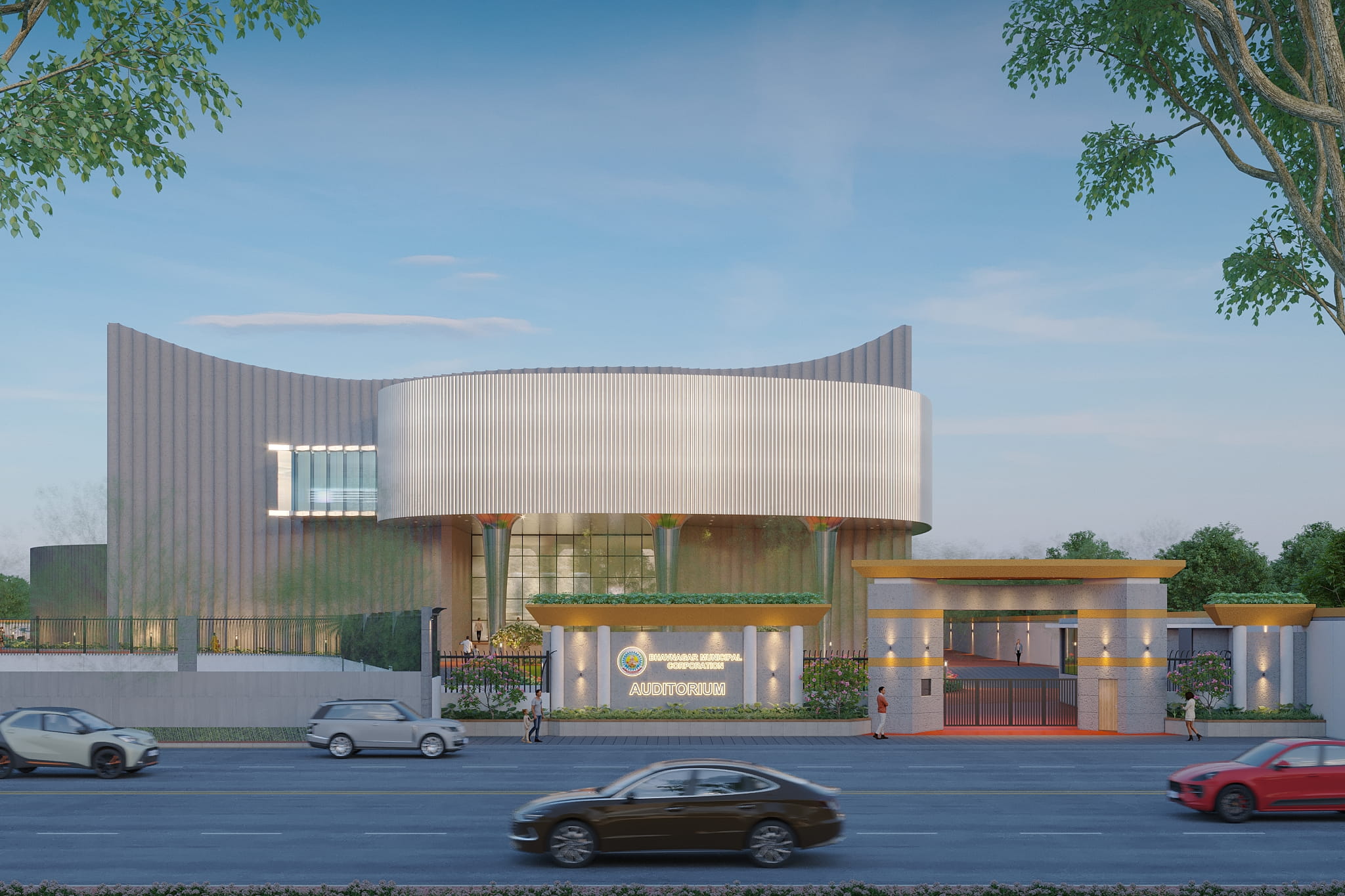
A Public Address (PA) system is designed for amplifying and broadcasting audio messages or announcements to a large audience or public space. The components of a typical PA system include:
Microphone(s):
Microphones are used to capture the audio source, which can be a person speaking, music, or other sound inputs. Different types of microphones, such as handheld, lavalier, or boundary microphones, may be used based on the application.
Mixing Console:
A mixing console, also known as a mixer, allows for the control and adjustment of audio inputs. It combines multiple audio sources, adjusts their volume levels, and applies equalization and effects as needed. Mixers come in various sizes and configurations, including analog and digital models.
Amplifier(s):
Amplifiers take the low-level audio signal from the mixer and increase its power to drive the speakers. The choice of amplifier depends on the size and requirements of the PA system.
Speakers:
Speakers convert the amplified audio signal into sound waves that can be heard by the audience. PA systems often include various types of speakers, such as main speakers, subwoofers for low-frequency reinforcement, and monitors for stage performers.
Signal Processors:
Signal processors, such as equalizers and compressors, can be used to fine-tune the audio quality and dynamics of the PA system. They help ensure clear and balanced sound.
Power Distribution and Control:
Power distribution equipment includes power strips, surge protectors, and power conditioners to manage electrical connections and protect the system from voltage fluctuations. Control equipment may include audio processors and remote control panels for adjusting settings.
Microphone Stands and Accessories:
Microphone stands, mounts, and accessories like pop filters and shock mounts are essential for positioning microphones and reducing unwanted noise.
Cables and Connectors:
Various cables, including microphone cables, instrument cables, speaker cables, and connectors (XLR, TRS, TS, etc.), are used to interconnect components within the PA system.
Intercom or Communication System:
In larger PA systems or venues, intercom or communication systems may be used to enable communication among operators and technicians behind the scenes.
Backup Power (UPS):
Uninterruptible Power Supplies (UPS) can provide power backup in case of electrical outages to ensure continuous operation of the PA system.
Rack Enclosures:
Rack enclosures or cases may be used to house and protect equipment, especially in portable or touring PA systems.
Mounting Hardware:
Brackets, mounts, and rigging hardware are used to securely install speakers and other components in various settings, such as on walls, ceilings, or poles.
Remote Control and Management:
For more advanced PA systems, remote control and management systems may be employed to control settings, monitor performance, and troubleshoot issues remotely.
Safety and Security Measures:
Fire alarms, emergency evacuation systems, and security measures are essential in public spaces to ensure the safety and well-being of the audience.
These components are assembled and configured to create a functional PA system tailored to the specific needs of the venue or event, whether it's a small conference room, a concert hall, a stadium, or any other public space requiring clear and effective audio communication.
Please contact us for all of your MEP service needs at Email: essconsmep@gmail.com or call us on +91 97129 46469
Visit us at www.essconsmep.com