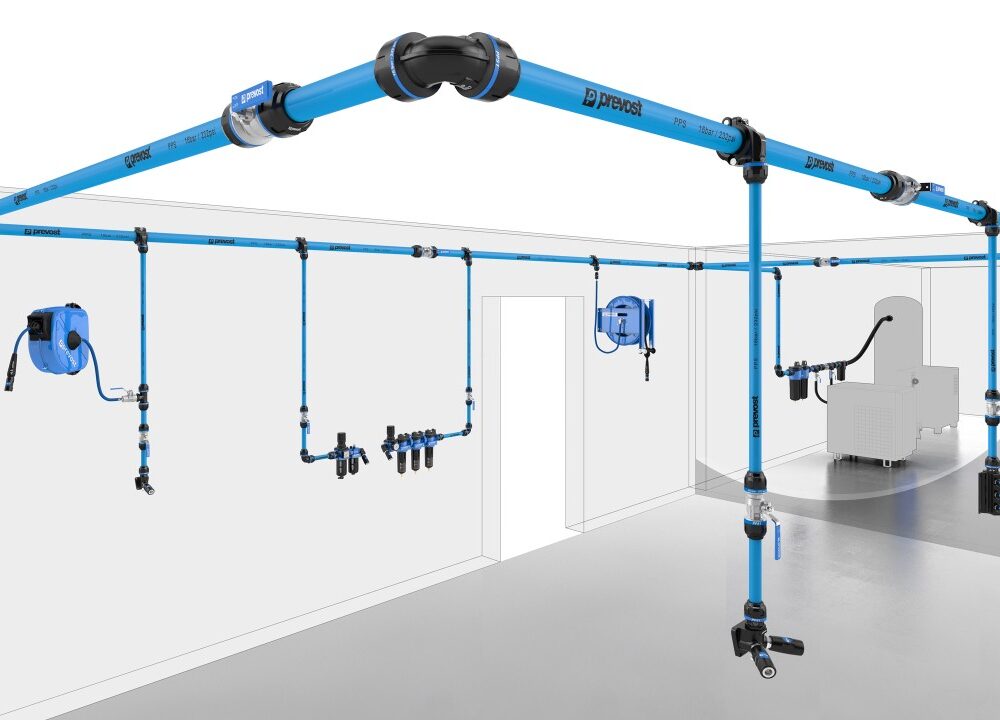
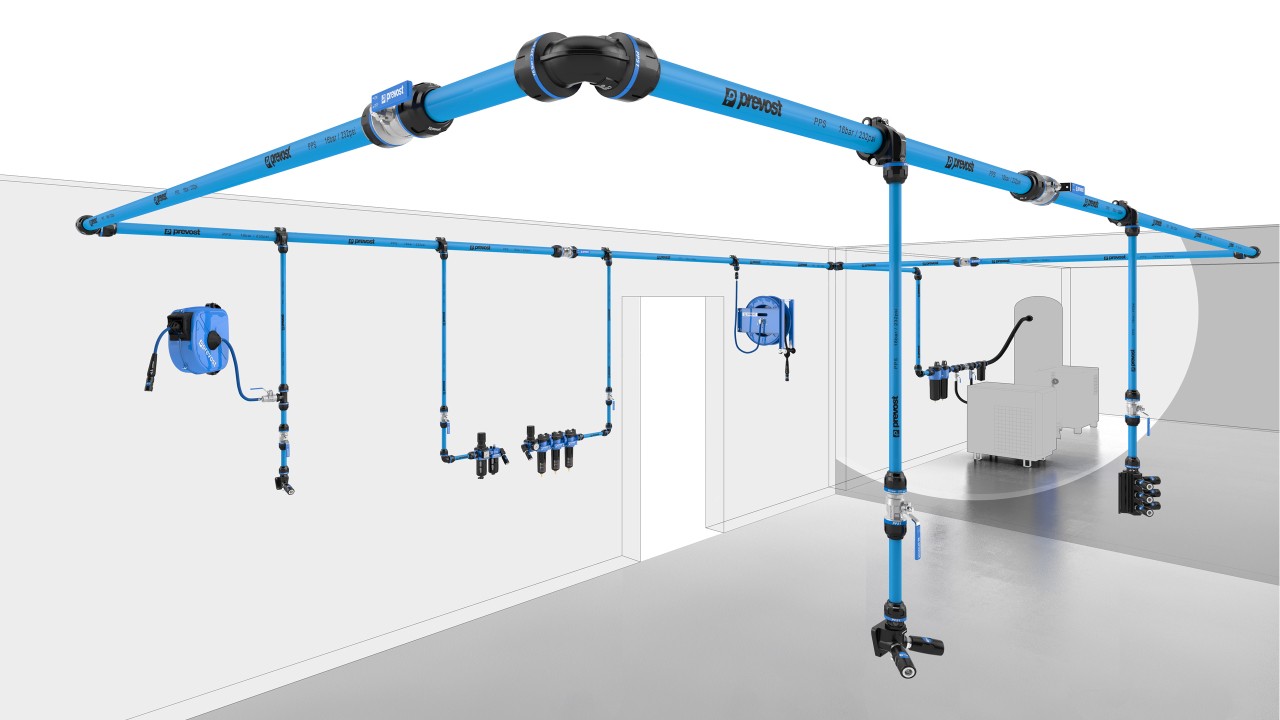
A pneumatic system is a type of power transmission system that uses compressed air to control mechanical motion and perform work. Pneumatic systems are commonly used in various industries for tasks like automation, manufacturing, and transportation. The key components of a typical pneumatic system include:
Compressor:
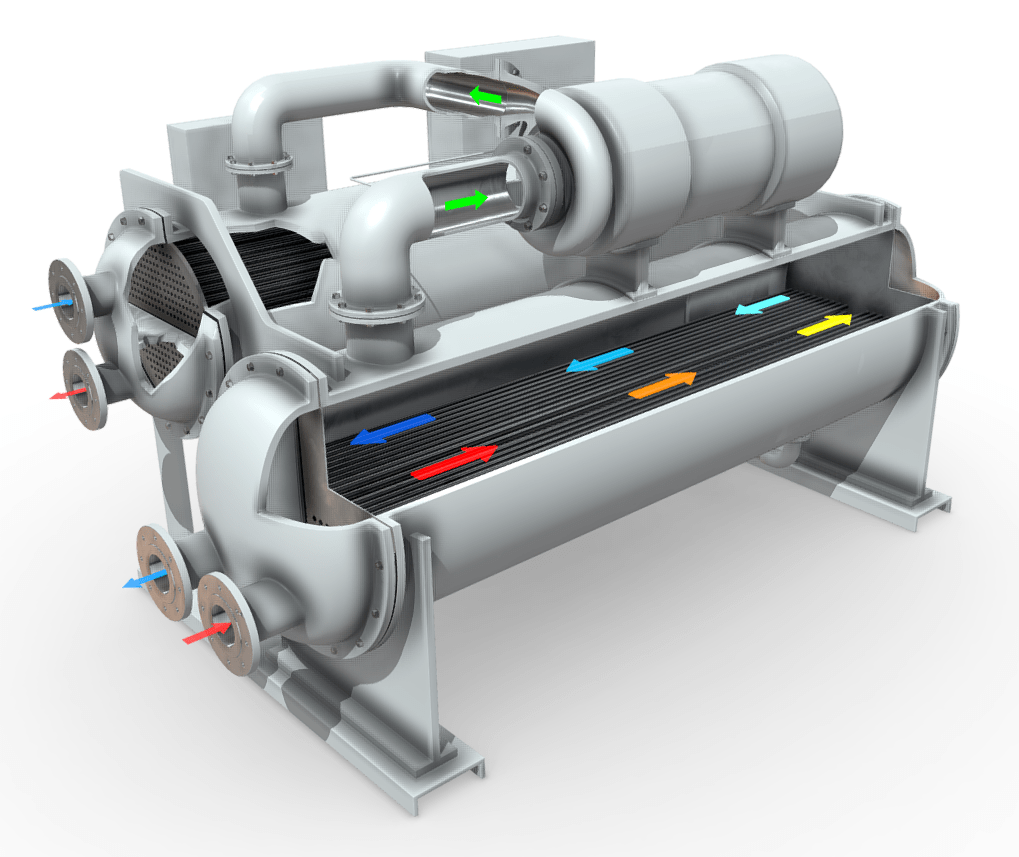
The compressor is the heart of the pneumatic system. It takes in ambient air, compresses it to a higher pressure, and stores it in a reservoir tank. Compressors can be of various types, such as reciprocating, rotary screw, or centrifugal, depending on the application and required pressure levels.
Reservoir Tank:
The reservoir tank stores the compressed air and acts as a buffer to ensure a steady supply of air to the system. It helps smooth out pressure fluctuations and provides a reserve of air for peak demand periods.
Air Preparation Unit (FRL):
The air preparation unit includes components such as filters, regulators, and lubricators (FRL). Filters remove contaminants, regulators control the air pressure, and lubricators add a controlled amount of lubrication to pneumatic components to reduce wear and friction.
Directional Control Valves:
Directional control valves are used to control the direction of airflow in the pneumatic system. They can be manual, electrically operated, or pneumatic valves. Common types include 2-way, 3-way, and 4-way valves.
Actuators:
Actuators are devices that convert the energy from compressed air into mechanical motion. Common types of actuators in pneumatic systems include pneumatic cylinders (single-acting and double-acting) and pneumatic motors.
Control Logic:
Control logic devices, such as sensors, limit switches, and proximity switches, are used to detect conditions in the system and send signals to control the operation of actuators and valves.
Tubing and Hoses:
Tubing and hoses are used to transport compressed air from the reservoir tank to various pneumatic components. They are typically made of materials like polyurethane or nylon.
Pressure Gauges:
Pressure gauges are installed at various points in the system to monitor the air pressure. They provide feedback on the system's performance and help ensure it operates within the desired pressure range.
Fittings and Connectors:
Fittings and connectors are used to join tubing, hoses, and other pneumatic components. Common types include push-in fittings, quick-connect couplings, and threaded fittings.
Mufflers and Silencers:
Mufflers and silencers are used to reduce noise generated by the rapid release of compressed air, helping to maintain a quieter working environment.
Check Valves:
Check valves allow the flow of air in one direction only. They prevent backflow and maintain pressure in the system.
Pressure Relief Valves:
Pressure relief valves protect the system from overpressure by releasing excess air when the pressure exceeds a predetermined limit.
Quick Exhaust Valves:
Quick exhaust valves are used to rapidly release air from the downstream side of an actuator, enabling faster actuator return.
Filters and Lubricators for Actuators:
In some applications, additional filters and lubricators may be installed specifically for the pneumatic actuators to ensure their smooth operation and longevity.
Pneumatic systems offer advantages such as simplicity, reliability, and ease of maintenance, making them suitable for a wide range of industrial applications. The specific components and their configurations in a pneumatic system can vary depending on the application's requirements and complexity. Proper design, installation, and maintenance are essential for the efficient and safe operation of pneumatic systems.
Please contact us for all of your MEP service needs at Email: essconsmep@gmail.com or call us on +91 97129 46469
Visit us at www.essconsmep.com