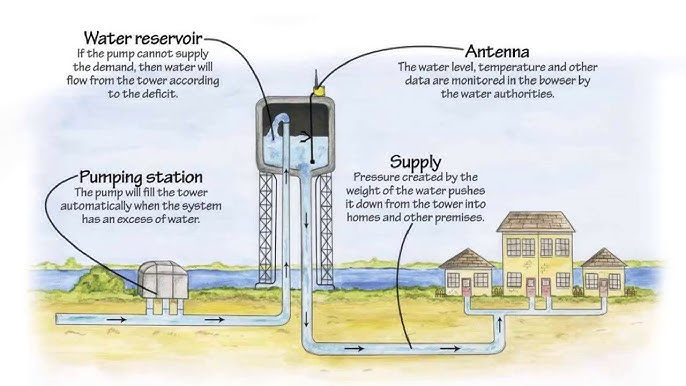
Gravity pressure, often referred to simply as "hydrostatic pressure" or "static pressure," is the force exerted by a fluid, typically a liquid, on an object submerged in it due to the weight of the fluid above that object. This pressure arises from the gravitational force acting on the mass of the fluid column above the point in question. Gravity pressure is a fundamental concept in fluid mechanics and plays a critical role in various engineering and natural phenomena. Here are some key points about gravity pressure:
Formula for Gravity Pressure:
The gravity pressure (P) at a specific depth (h) in a fluid can be calculated using the formula:
P = ρ * g * h
Where:
- P is the pressure at depth h.
- ρ (rho) is the density of the fluid.
- g is the acceleration due to gravity.
- h is the depth below the surface of the fluid.
Units:
Gravity pressure is typically expressed in units such as pascals (Pa), newtons per square meter (N/m²), or pounds per square inch (psi), depending on the system of measurement.
Increasing Pressure with Depth:
As you go deeper into a fluid (for example, diving into water), the pressure increases due to the weight of the additional fluid above you. This increase in pressure with depth is directly proportional to the depth itself.
Fluid Density:
The density of the fluid plays a crucial role in determining the magnitude of gravity pressure. Denser fluids result in higher pressure for a given depth.
Acceleration due to Gravity:
The strength of gravity (acceleration due to gravity, g) also influences gravity pressure. On Earth, this value is approximately 9.81 m/s², which means that for every meter you go deeper in a fluid, the pressure increases by about 9.81 pascals (Pa).
Applications:
Gravity pressure has many practical applications, including:
- Calculating water pressure in pipelines and tanks.
- Determining pressure at various depths in oceans, lakes, and rivers.
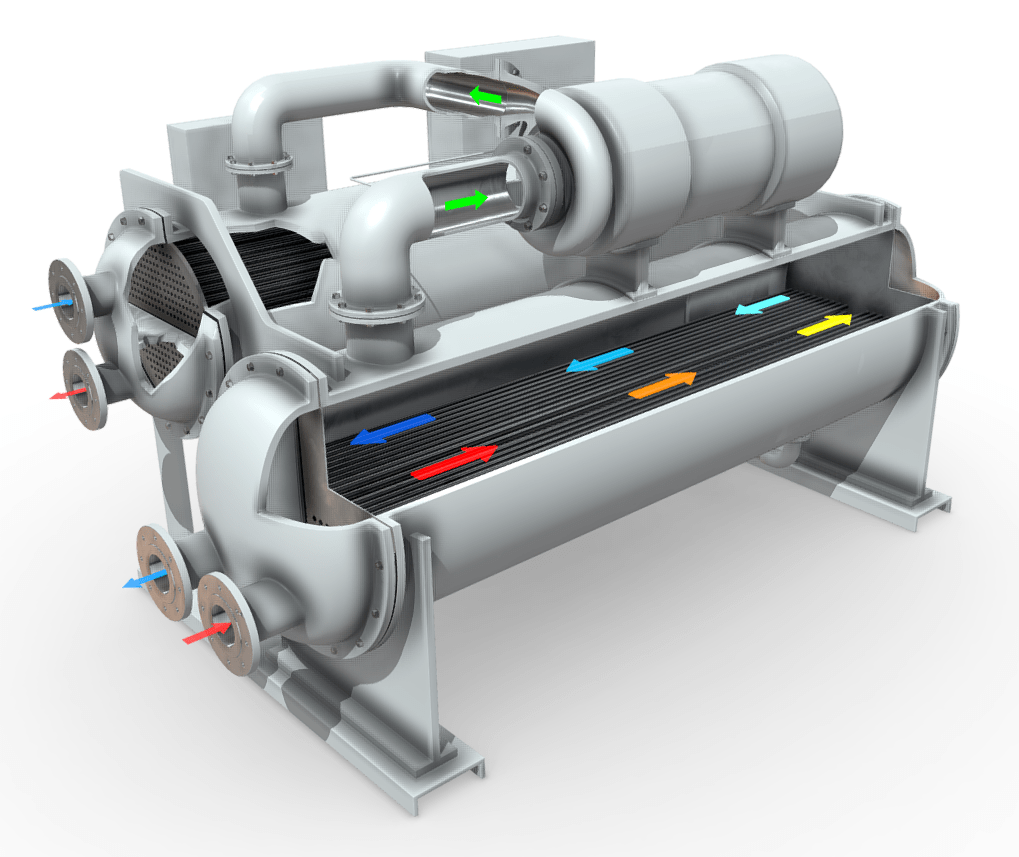
- Understanding pressure changes in fluids within hydraulic systems and pumps.
- Designing and analyzing the buoyancy of submerged objects, such as submarines and boats.
Hydrostatic Paradox:
One interesting aspect of gravity pressure is the hydrostatic paradox. It states that the pressure at a given depth in a fluid depends only on the depth itself and not on the shape or size of the container. So, whether you measure the pressure at the bottom of a small glass of water or a large swimming pool, the pressure at the same depth is the same.
Safety Considerations:
Understanding gravity pressure is important in various safety contexts, such as scuba diving and deep-sea exploration, where changes in pressure with depth can affect the health and safety of individuals.
Overall, gravity pressure is a fundamental concept in fluid mechanics that explains how the weight of a fluid column above a point in a fluid exerts pressure on objects submerged at that point, and it has practical applications in a wide range of fields.