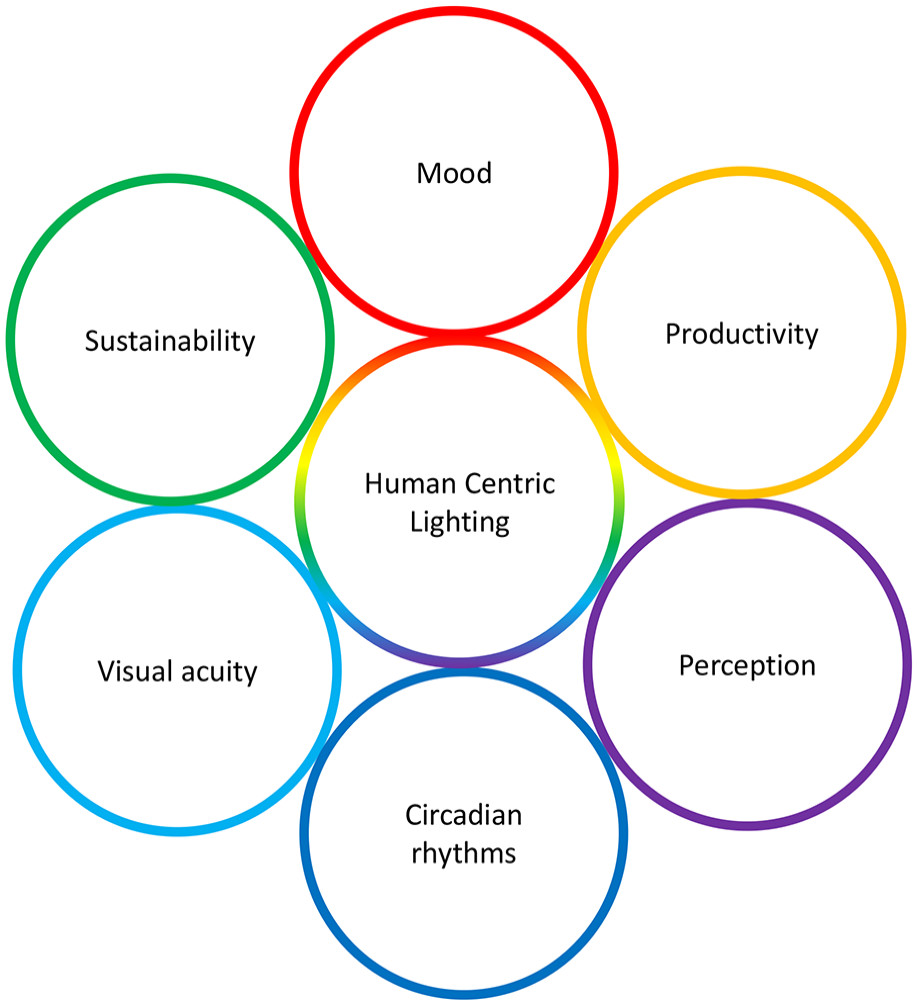
Human-centric lighting design, often referred to as circadian lighting or biophilic lighting, focuses on creating lighting environments that align with the natural circadian rhythms of humans and promote well-being. This approach recognizes that light has a profound impact on our physical and mental health, and it seeks to optimize lighting to enhance our daily activities and overall quality of life. Here are key principles and considerations in human-centric lighting design:
Understanding Circadian Rhythms:
- Humans have natural biological rhythms that affect sleep-wake cycles, mood, alertness, and overall health. Light plays a significant role in regulating these rhythms.
- Exposure to bright, cool-colored (blue-enriched) light during the daytime can help increase alertness and productivity.
- Exposure to warmer, dimmer light in the evening helps signal the body that it's time to wind down and prepare for sleep.
Tuning Light Color and Intensity:
- Human-centric lighting systems adjust the color temperature and intensity of light throughout the day to mimic natural lighting conditions.
- In the morning and during the day, lighting systems provide cool and bright light to promote alertness.
- In the evening and at night, lighting systems transition to warm and dim light to support relaxation and sleep.
Dynamic Lighting Control:
- Automated lighting control systems can be programmed to gradually change light color and intensity throughout the day to match natural daylight patterns.
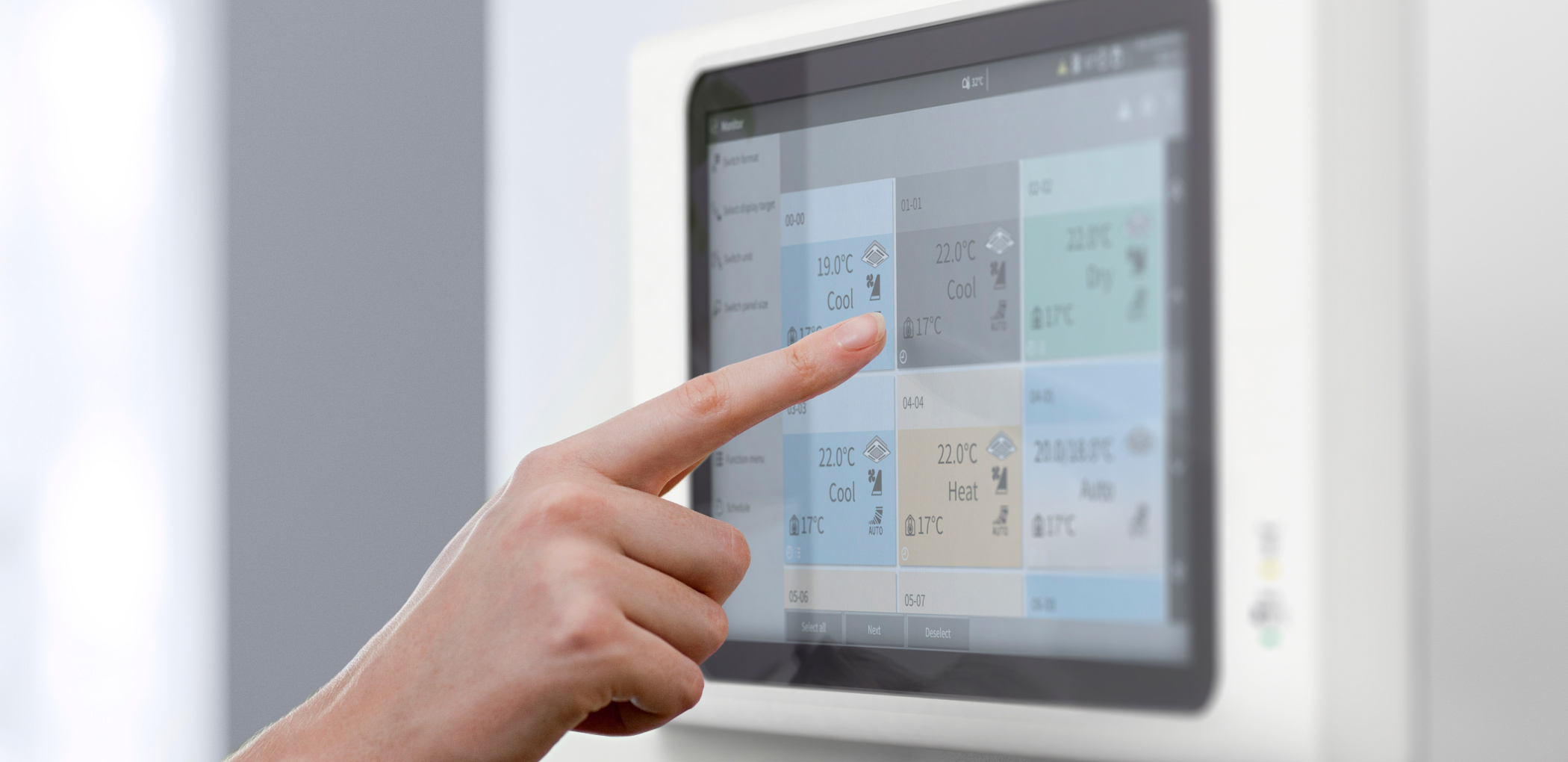
- Manual control options allow individuals to adjust lighting preferences, especially in flexible workspaces.
Task-Specific Lighting:
- Human-centric lighting considers the specific tasks people are performing and provides appropriate lighting conditions. For example, brighter light may be provided over workstations while softer, warmer light is used in break areas.
Personalized Lighting:
- Some systems allow individuals to customize their lighting preferences based on their comfort and needs.
- Personalized lighting can be achieved through smartphone apps or individual control panels.
Natural Light Integration:
- Maximizing the use of natural daylight is a fundamental aspect of human-centric lighting design. Designers aim to optimize window placement and shading to harness natural light.
- Automated shading systems can adjust to control glare and maintain comfortable lighting levels.
Measurement and Feedback:
- Sensors and feedback mechanisms can monitor the lighting environment and gather data on occupants' well-being and productivity.
- This data can inform lighting adjustments and help fine-tune the system.
Health and Sustainability:
- Human-centric lighting design considers the energy efficiency and environmental impact of lighting systems. LED lighting with tunable color temperature is often used to achieve both health benefits and energy savings.
Wellness- Centered Design:
- Incorporating elements of biophilic design, such as natural materials, greenery, and views of nature, enhances the overall well-being of occupants in the space.
Compliance with Standards:
- Designers and architects may follow established guidelines and standards, such as the WELL Building Standard or LEED, to ensure that the lighting design supports occupant health and well-being.
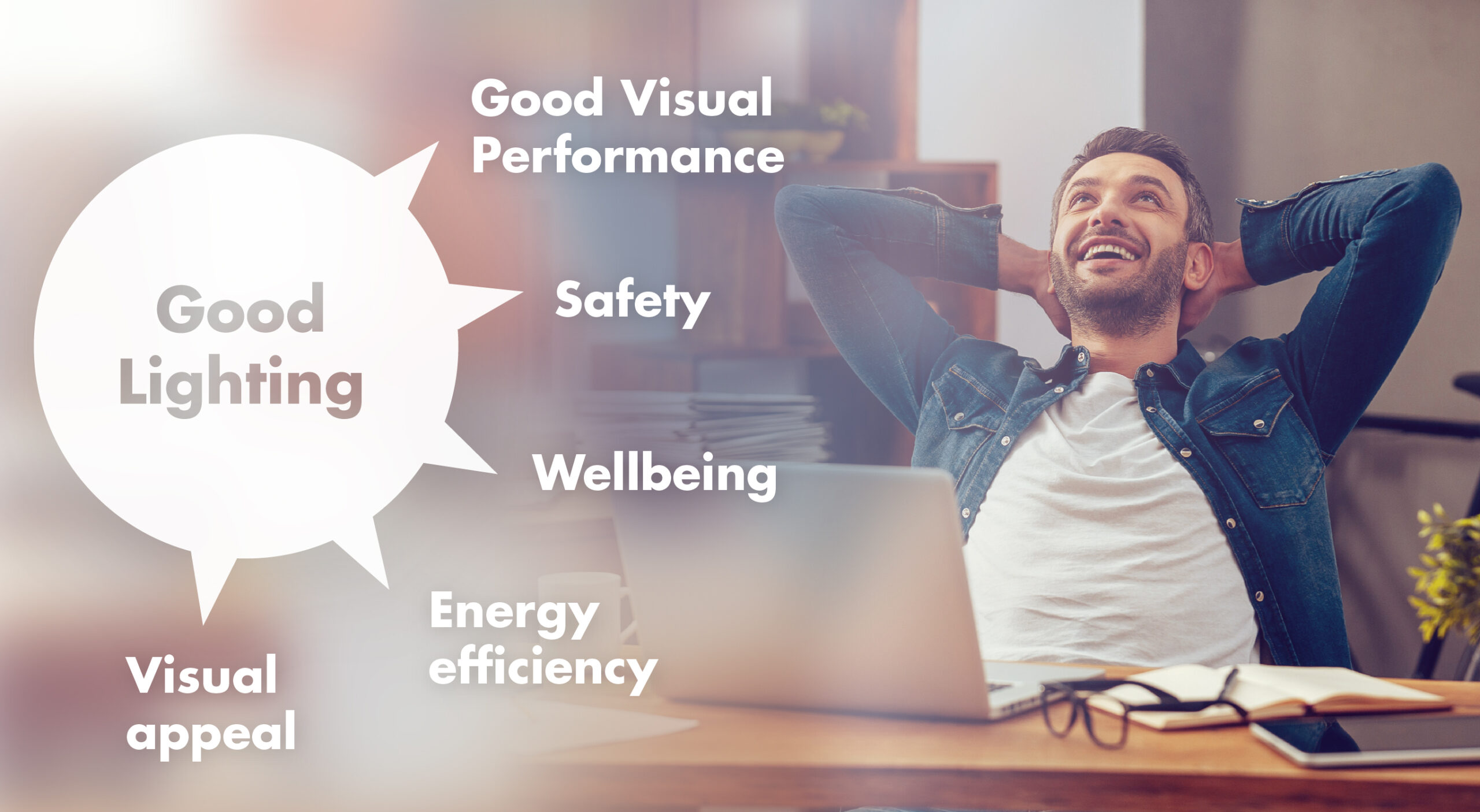
Human-centric lighting design acknowledges that lighting is not just about visibility but also about creating environments that support human health, productivity, and comfort by closely mimicking the natural lighting patterns that our bodies have evolved to respond to.