Lighting parameters are essential aspects that influence the quality and functionality of lighting in various environments, from residential spaces to commercial buildings and outdoor areas. These parameters help define and control the characteristics of light, ensuring that it meets specific requirements and serves its intended purpose effectively. Here are some key lighting parameters:
Intensity (Luminous Flux):
Measured in lumens (lm), intensity represents the total amount of visible light emitted by a light source. It indicates how bright the light is. Higher lumens correspond to brighter light.
Illuminance (Brightness):
Measured in lux (lx), illuminance measures the amount of light that falls on a given surface area. It indicates how well a space is lit. The higher the lux, the brighter the illumination on a surface.
Color Temperature (Kelvin, K):
Color temperature defines the color appearance of light. Lower Kelvin values (e.g., 2700K) indicate warm, yellowish light, while higher values (e.g., 5000K) represent cool, bluish light. Color temperature affects the mood and ambiance of a space.
Color Rendering Index (CRI):
CRI measures how accurately a light source reproduces the colors of objects compared to natural sunlight. A higher CRI indicates better color rendering, typically measured on a scale of 0 to 100.
Light Distribution (Beam Angle):
Beam angle describes how light is distributed from a fixture. Some fixtures emit light in a narrow beam, while others have a wide, diffuse distribution. The choice of beam angle affects the coverage and focus of the light.
Lighting Efficiency (Luminous Efficacy):
Luminous efficacy measures how efficiently a light source converts electrical energy into visible light. It is expressed in lumens per watt (lm/W). Higher efficacy indicates more energy-efficient lighting.
Dimming Capability:
Dimmability refers to a light source's ability to be adjusted to different brightness levels. This parameter is crucial for controlling lighting levels to suit different tasks or moods.
Color Temperature Tunability:
Some advanced lighting systems allow users to adjust the color temperature of the light source. This feature is valuable for achieving dynamic lighting environments.
Flicker and Stroboscopic Effects:
Flicker refers to the rapid, imperceptible variations in light output. Stroboscopic effects can occur when fast-moving objects appear distorted under certain lighting conditions. Reducing flicker and stroboscopic effects is important for visual comfort and safety.
Uniformity:
Uniformity measures how evenly light is distributed across a surface. Good uniformity is essential to avoid dark spots or glare in a space.
Glare Control:
Glare occurs when excessive brightness or contrast causes visual discomfort. Proper glare control is vital for safety and visual comfort, especially in office and outdoor lighting.
Lifespan:
Lifespan indicates how long a light source is expected to last before needing replacement. LED lighting, for example, is known for its long lifespan compared to traditional sources like incandescent bulbs.
Maintenance Factor:
The maintenance factor accounts for the reduction in illuminance over time due to factors like dirt buildup, lamp depreciation, and aging of the lighting system.
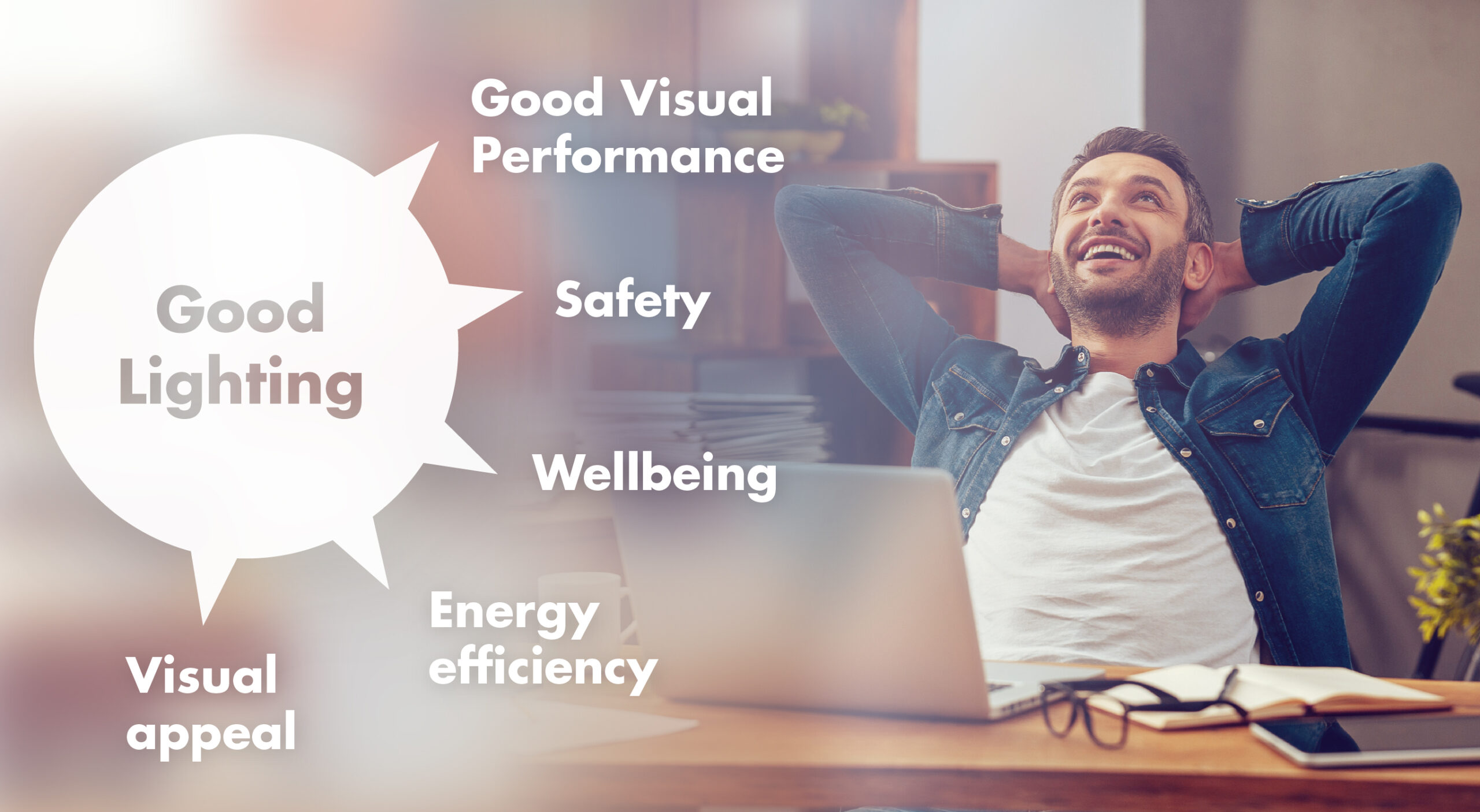
Understanding and optimizing these lighting parameters is crucial for achieving the desired lighting quality and energy efficiency in various applications, from architectural lighting to industrial settings. Tailoring lighting parameters to specific needs and environments can enhance both functionality and aesthetics.
Please contact us for all of your MEP service needs at Email: essconsmep@gmail.com or call us on +91 97129 46469
Visit us at www.essconsmep.com